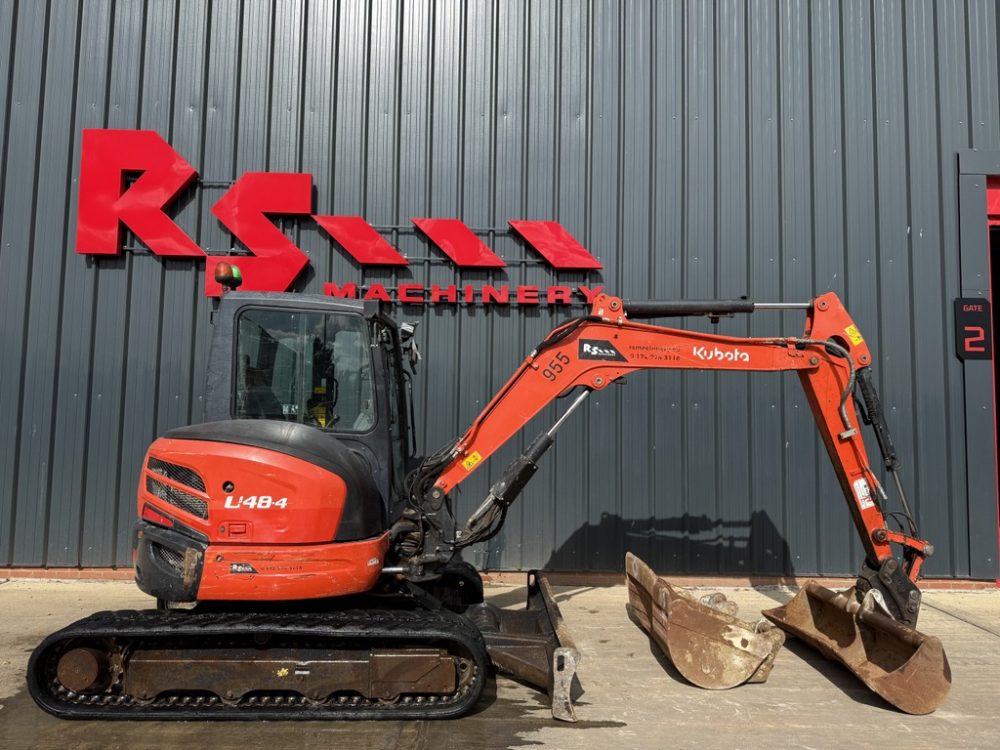
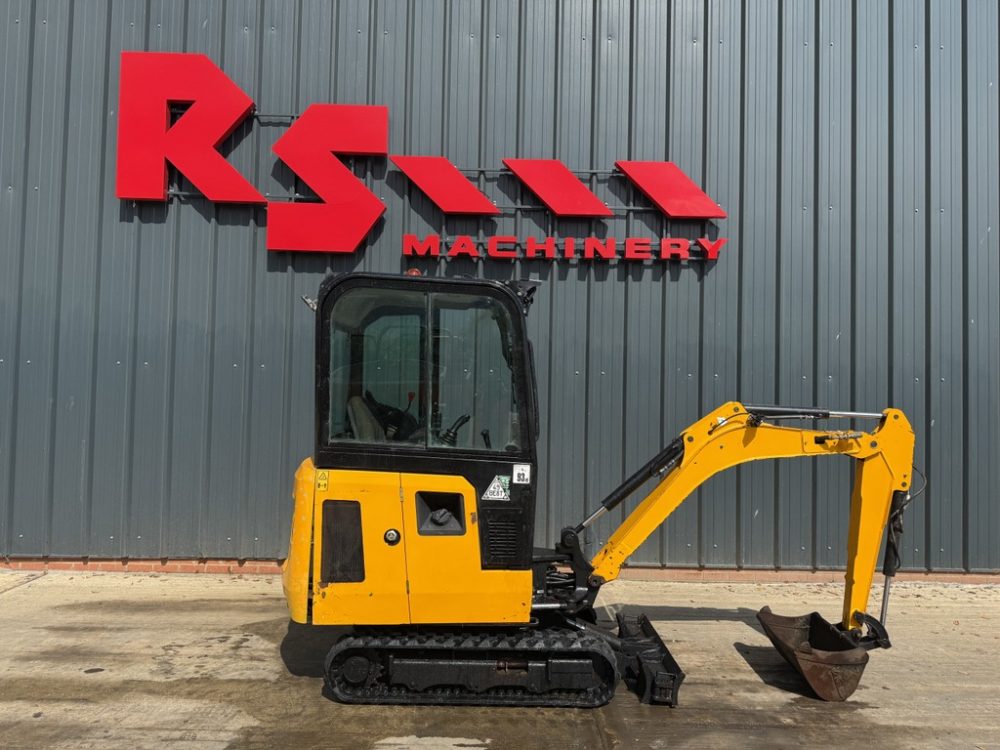
Compact mini excavators are one of the few bits of plant that can genuinely change the flow of a UK job — not just because they dig, but because they squeeze into gardens, back alleys, tight refurb compounds and live sites where bigger kit can’t turn. The challenge is that “compact” covers a wide spread of weights, tailswing, undercarriage widths and attachment capability, so the right machine on paper can still be wrong at the gate or at the first service point.
TL;DR
– Match machine size to access and lift/working envelope, not just dig depth on a spec sheet.
– Treat paperwork and servicing history as evidence; vague histories usually cost time on site.
– Sort attachments, couplers and bucket pins before delivery day to avoid stand-downs.
– Plan where it will be fuelled/greased, loaded, and parked with an exclusion zone that fits the site.
What “compact” really means when you’re buying or hiring in the UK
On UK sites, compact minis tend to be chosen for access and control rather than brute production. That could mean zero tailswing to work close to walls, a variable undercarriage to pass through a gate, or rubber tracks to reduce surface damage on finished areas. It also means the machine will often operate inside tight exclusion zones with pedestrians, deliveries and other trades sharing the same footprint.
The first decision is usually about envelope: can it physically get in, slew safely, and work without constantly repositioning? After that, look at how it interfaces with your job: breaker use on utilities, grading for landscaping, or trenching for drainage runs. Compact machines can look similar parked up, but feel very different once you add a hitch, a tilting bucket or a breaker and start working in wet ground.
Plain-English hire vs buy decisions for compact minis
Hire makes sense when the job is short, the site is constrained, or the risk of damage is high (refurbs and tight residential work are classic examples). It also helps when you need a particular attachment for a week and don’t want to own it long-term. The trade-off is availability, delivery timing, and the reality that the “standard” spec may not include the coupler or bucket set you assumed.
Buying starts to stack up when you’ve got repeatable work, in-house operators, and the ability to keep up with servicing and inspections. Used machines can be very good value in the compact class, but condition varies sharply because they’re often used on small sites with lots of stop-start running, frequent tracking on hardstanding, and occasional “it’ll do” maintenance. If you’re buying to support multiple crews, it’s worth thinking about standardising hitch type and bucket pins across the fleet, otherwise every move becomes a parts hunt.
How it plays out on site: a short scenario from a constrained refurb
A groundworks subcontractor turns up to a city-centre school refurb to dig a shallow service trench and form a small foundation pad for a modular plant room. Access is via a narrow service gate, then a turn through the caretaker’s yard with bollards and a low canopy. The ordered mini arrives on a beavertail; it fits through the gate but the bucket set is wrong — two trench buckets, no grading bucket — and the hitch isn’t the same as the breaker they planned to use. While the site team argues about swapping attachments, the delivery driver needs the machine offloaded quickly because the street is on timed restrictions. The supervisor parks it tight to the fence to clear the yard, but that blocks the only route for the electrician’s pallet drop. By mid-morning, the excavator is on site but not productive, and the “quick trench” has already pushed into the afternoon because the handover and interface planning wasn’t done.
That’s typical of compact minis: the machine is rarely the only problem. The small footprint invites last-minute changes, but the knock-on effect to deliveries and other trades can be bigger than with heavier plant.
Where the costs hide: attachments, consumables and compatibility
Attachments are where compact excavator purchases and hires often go off the rails. A tilting bucket can transform finishing work, but it adds pins, bushes, hoses and more points to leak or snag. Breakers introduce vibration and heat; if the machine has had a hard breaker life, you’ll often see it in the dipper end, coupler slop, and oil cleanliness.
Couplers are a repeat offender on downtime. Mixed hitch types across sites or subcontractors can mean you’ve got buckets you can’t pick up, or worse, a hurried workaround. Good practice is to confirm coupler type, pin diameter and bucket centres before the machine turns up, and to agree who is supplying what (including the odd bits like bucket hooks or lifting eyes if you’ll be handling rings or trench sheets).
Consumables matter too. Track condition, sprockets and idlers tell you how it’s been treated, and rubber tracks can become a cost item quickly if the job includes lots of turning on rough concrete. Grease points and filter access also matter on compact machines because they’re often run by different operators across short tasks.
A practical pre-purchase / pre-hire walkaround checklist
Use this as a site-realistic baseline before committing to a used compact mini, or when a hired machine lands and you need confidence it’s fit for the shift:
– Confirm access width/height on route to workface, including gates, canopies and turning space for delivery/offload.
– Look for excessive play at boom, dipper, bucket and coupler; note any knocks when crowding and slewing.
– Inspect tracks/undercarriage for uneven wear, missing lugs, damaged rollers and oil leaks around final drives.
– Run hydraulics through full range; watch for juddering, slow functions under load and any obvious hose chafing.
– Check attachments supplied match the task and the hitch (bucket centres, pin sizes, breaker bracket if applicable).
– Ask for servicing/inspection evidence and confirm hours are plausible against overall condition (cab, pedals, pins, counterweight).
Common mistakes
The first is buying on weight class alone, then discovering the tailswing or blade width doesn’t suit the access route and you lose half a day every time you reposition. The second is accepting “it comes with buckets” without listing sizes and coupler type, leading to stand-downs or unsafe swapping on site. The third is ignoring undercarriage wear because the machine “sounds fine” — then tracks start de-tracking on a wet formation and progress collapses. The fourth is treating paperwork as admin; missing service history and vague ownership trails often show up later as reliability issues and awkward insurance conversations.
Handover and competence: keeping it productive without shortcuts
Compact minis feel approachable, which is exactly why site discipline can slip. Operators still need demonstrable competence for the machine and attachments they’re using, and supervisors should expect a proper handover: controls, emergency procedures, isolation, and any quirks (auto-idle behaviour, slew lock, quick hitch operation). On busy sites, a spotter or banksman can be the difference between smooth progress and a near miss when working near pedestrians, deliveries or live services.
Exclusion zones for compact excavators need to be realistic rather than optimistic. A machine that “only” weighs a couple of tonnes still has a rotating counterweight, a moving boom, and the ability to swing a load into a walkway. If you’re lifting with the bucket or a lifting point, think through the lift path and landing area, and agree the interface with other trades before you start chasing minutes.
What to tighten before the next delivery or collection
Delivery and collection are where compact machines can disrupt a site the most, because they arrive at the same time as materials and people. Make the offload area unambiguous, keep a clear route to the workface, and decide where the machine will be parked at breaks so it doesn’t block follow-on trades. If the ground is soft, plan track mats or a sacrificial route early; a compact excavator can quickly churn a narrow access into a recovery job.
For bought machines moving between jobs, agree who is responsible for daily defect reporting, greasing and topping up fluids. Minis often suffer from “everyone uses it, nobody owns it” syndrome, which is how small faults become big downtime.
FAQ
FAQ
### Who should be operating a compact mini excavator on a UK site?
Good practice is to use operators with demonstrable competence for the machine type and the attachment in use, not just “someone who’s had a go before”. Supervisors should expect a clear handover and a method of confirming the operator understands the quick hitch, isolation and site rules. If there’s any doubt, treat it as an escalation rather than a quiet workaround.
What information should be confirmed before delivery to a tight site?
Get the access width/height and turning space nailed down, including the offload position and whether a beavertail can safely get in and out. Confirm the machine’s overall width (including blade) and whether it needs a variable undercarriage setting to pass through. Also agree where it will be parked so it doesn’t block pallet drops or fire routes.
How do you avoid attachment mismatch when hiring or buying?
List the buckets and any specialist attachments by size and coupler type, and confirm pin diameters/bucket centres if there’s any doubt. If a breaker or auger is planned, ensure the bracket and hydraulic requirements are understood in plain terms, and that hoses and guards are in good order. On multi-trade sites, decide who controls attachments so they don’t “walk” to another crew mid-shift.
What documents are worth asking for on a used compact excavator?
Servicing and maintenance records, any inspection evidence and a clear ownership trail are practical indicators of how the machine has been looked after. Hours alone aren’t enough; condition should align with the story the paperwork tells. If documentation is thin, build that into your risk assessment for reliability and downtime rather than assuming it will be fine.
When should supervisors stop the job and escalate?
Escalate if the quick hitch operation is unclear, if there’s unexpected play in the coupler/pins, or if hydraulics behave erratically under load. Also stop if exclusion zones can’t be maintained because pedestrians or deliveries are forced through the working area. Compact plant works best when interfaces are controlled; when they aren’t, minor issues turn into incidents quickly.
Compact minis will stay in demand because UK sites are getting tighter, not looser, and more work is happening around existing assets and occupied buildings. The winners won’t be the teams with the newest machine; they’ll be the ones who keep competence, attachments and documentation from drifting as programmes compress.