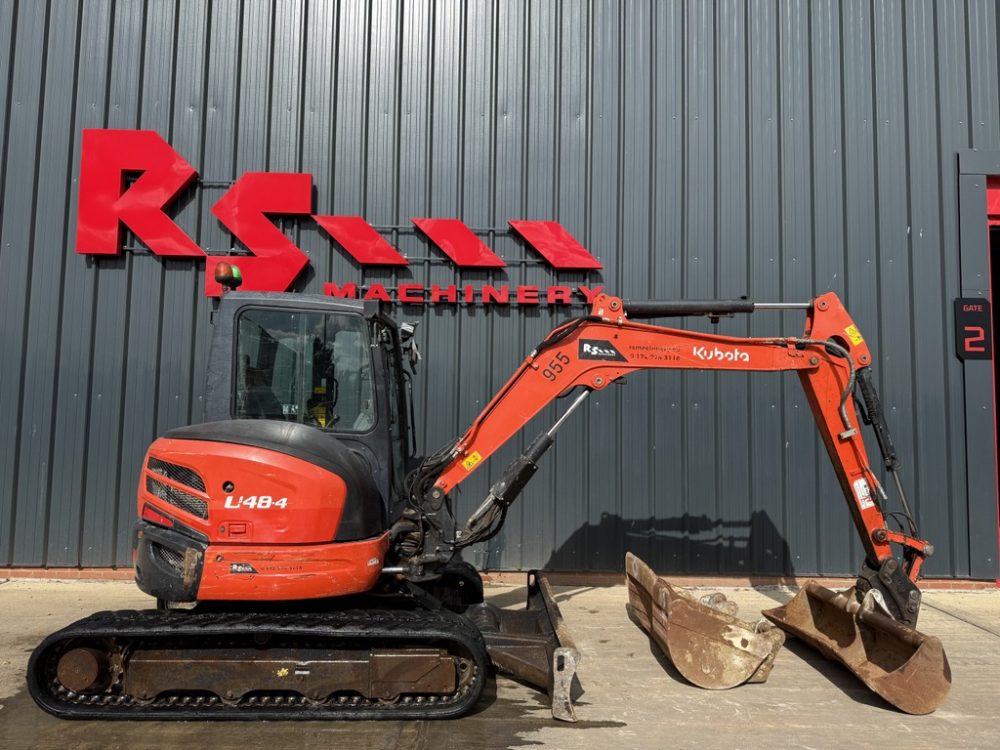
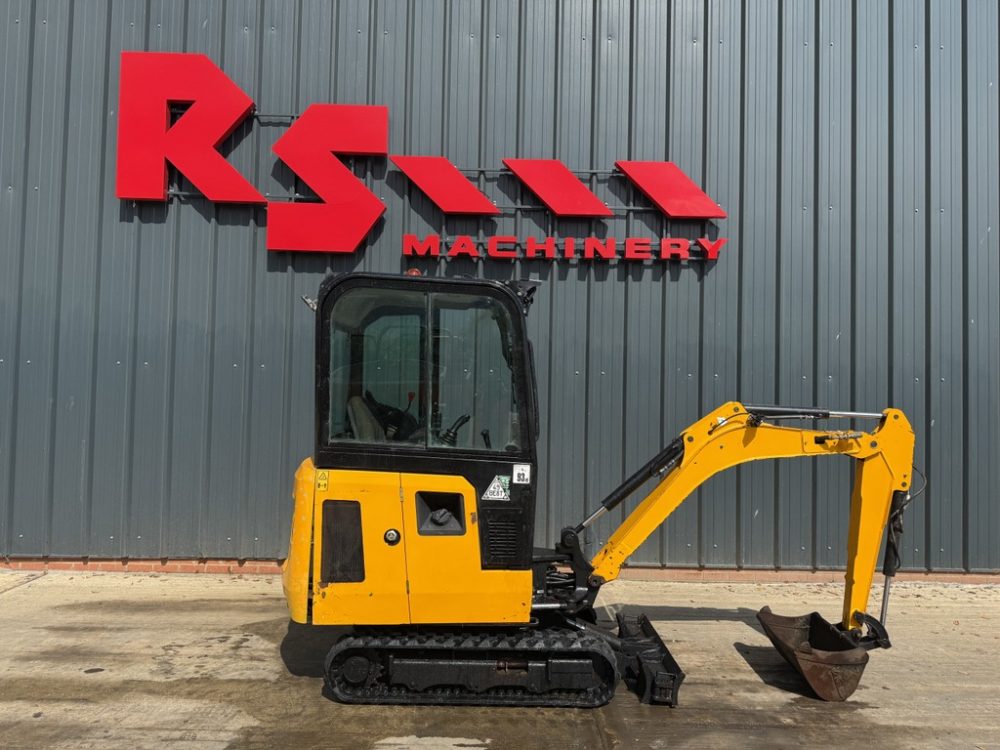
Buying a compact excavator in the UK can be straightforward on paper, but on site it only pays off if the machine, attachments, paperwork and delivery plan line up with the workface. The smallest details tend to bite: a wrong hitch type, a tired slew ring, pins that have been “taken up” one too many times, or a machine that’s been priced keenly because it’s due a major service. Whether you’re stepping out of hire costs, adding capacity for a framework gang, or looking for a tidy unit to sell on later, the decision needs to be grounded in how UK sites actually run.
TL;DR
– Match the excavator to access, ground conditions and attachment needs, not just weight class and price.
– Treat service history, pins/bushes wear and hydraulic function as value drivers; cosmetics don’t move material.
– Plan delivery, handover and competence like any other lift/plant activity: space, timing, people, paperwork.
– If the machine will swap between gangs, standardise couplers/buckets early to avoid downtime and unsafe improvisation.
Plain-English buying options: new, used, ex-hire, private
New machines are predictable: warranty support, clean history and easier finance, but lead times and spec compromises can appear at exactly the wrong point in a programme. Used machines vary wildly; the same model can be a bargain or a liability depending on prior work, maintenance habits and storage. Ex-hire can be attractive because it’s often kept serviceable, but “serviceable” doesn’t automatically mean tight pins, healthy pumps or a cab that hasn’t been battered by daily turnover.
Private sales can work, particularly for smaller firms who know what they’re looking at, but the risk sits with the buyer: you may get limited documentation, no meaningful comeback, and a machine that’s been warmed up just enough to mask cold-start issues. For most site teams, the real choice isn’t “new versus used” — it’s “known condition and support versus unknown condition and exposure”.
What “right size” really means on UK sites
Mini excavator sizing is rarely about the deepest dig; it’s about access, stability and how much of the shift you can keep the bucket moving. Zero tail swing can matter more than extra reach when you’re working between scaffold standards, streetworks barriers or live services. Conversely, a longer dipper might save constant repositioning on drainage runs, but it can also encourage overreach on soft shoulders.
Think about travel routes as much as the work area: narrow gates, kerbs, shared footpaths, and the turning circle into a rear garden or compound. If you’re moving across finished surfaces, track type and ground protection become part of the purchase decision, not an afterthought. And don’t ignore noise and emissions expectations on urban work; even where there isn’t a formal low-emission requirement, neighbours and clients will notice how the plant behaves.
A real-world scenario: when “available now” costs you
A small civils subcontractor takes on a drainage and service diversion package on a tight urban infill housing site. Their usual hire supply is stretched, so they buy a used mini excavator that can be delivered in two days, with a couple of buckets “thrown in”. Delivery arrives mid-morning when the scaffold lorry is also booked, so the machine gets offloaded into the only clear corner, blocking the pedestrian route until someone improvises a diversion. At the handover, the operator notices the quick-hitch doesn’t match the buckets supplied, so the team borrows a bucket from another gang and starts swapping pins manually to keep production moving. By lunchtime the bucket is dripping oil from a tired dipper hose, and the slew feels notchy when working close to a live service trench. The supervisor calls a stop, but now the programme hit is real: one machine down, a borrowed bucket to return, and a site access plan that’s already unravelled.
Evidence that matters: condition and paperwork that protect value
A mini excavator’s value is carried in its joints, hydraulics and history, not the decals. Start with what you can evidence. Service records don’t need to be perfect, but they should be coherent: dates, hours, and what was actually done. A machine that’s had regular filtration, grease discipline and sensible undercarriage care usually “feels” right in the levers and slew.
On the machine itself, spend time where wear shows up first: pins and bushes, dipper end play, boom foot wear, and the condition of hydraulic hoses around pinch points. Look at track frames and rollers for uneven wear that suggests poor tensioning or constant running on hard surfaces. Inside the cab, slop in the controls, warning lights that “come and go”, and missing guards are practical indicators of how it’s been treated.
Documentation shouldn’t be a paperwork exercise; it’s operational proof. You’re looking for serial/ID alignment, manuals if available, and a clear story on ownership and maintenance. If the machine has been used with lifting points or for handling, it’s sensible to clarify how lifting arrangements and thorough examination have been managed in line with site expectations.
Checklist: pre-purchase walkaround that fits a site handover
– Confirm coupler/hitch type and pin centres match the buckets and any planned attachments.
– Start from cold if possible; listen for hunting idle, smoke, or reluctance to pick up revs.
– Run boom/dipper/bucket to full stroke and hold on relief briefly; note chatter, drift or jerky movements.
– Slew slowly and under load; feel for tight spots, clonks or excessive end float.
– Inspect pins/bushes and boom foot for play; look for fresh welds, cracks or “shiny” movement lines.
– Verify hour meter plausibility against cab wear, pedal condition, and service record cadence.
Attachments and interfaces: where downtime usually hides
Buckets are the obvious extras, but the money is often in compatibility. A mismatched quick-hitch is more than inconvenient; it encourages unsafe workarounds and creates pressure to “make it fit” when the trench is open and other trades are waiting. If you’re planning to run a breaker, check auxiliary lines, flow capability and whether the machine has been set up properly — a breaker on the wrong settings can quickly turn a decent used buy into a repair bill.
Think about the trades you’ll work alongside. On tight builds, the mini excavator might be sharing space with groundworkers, scaffolders, bricklayers’ deliveries and (later) landscapers. That means your machine needs predictable slewing, good visibility and reliable tracking, not just headline dig depth. Standardising buckets across your own fleet can also reduce “attachment roulette” when gangs swap machines mid-week.
Common mistakes
1) Buying on weight class alone and discovering too late that access or turning space makes the machine unusable for half the job.
2) Accepting “buckets included” without confirming hitch type, pin size and whether wear makes them sloppy on the dipper.
3) Treating a quick run-up as a sufficient test; many hydraulic and slew issues only show under sustained work and temperature.
4) Planning delivery as a simple drop-off, then losing time because the offload point clashes with other logistics and pedestrian routes.
How it plays out day-to-day: competence, handover and exclusion zones
On UK sites, the difference between a productive mini excavator and a constant disruption is usually the handover and the rules around it. A proper handover should include basic familiarisation, emergency stop location, isolations, and any quirks (for example, a sensitive slew or a regen circuit that feels odd to operators new to the model). If multiple operators will use the machine, consistency matters: set expectations on daily greasing, reporting defects early, and parking/isolating in the agreed location.
Exclusion zones are not just for big kit. Minis often work closer to people because they “feel” harmless, especially in housing plots and refurb courtyards. Keeping a spotter for reversing, controlling walkways, and preventing other trades from stepping into the slew radius protects the job more than any paper method statement. If the excavator will handle materials or loads, align the plan with what the site expects for lifting accessories and examinations rather than assuming “it’s only a mini”.
What to tighten before the next machine arrives
Make delivery and access part of the procurement decision: agree an offload point, confirm ground bearing where the wagon will stand, and plan pedestrian segregation for the arrival window. Line up the attachments you actually need for the first two days, not the “eventual” list, and make sure the coupler standard is nailed down before money changes hands. Decide who owns the first-hour snagging: operator feedback, supervisor sign-off, and how faults get escalated without the machine being quietly “made to do”. Finally, set a simple rule on cleanliness and greasing; it’s the easiest way to protect resale value and avoid preventable wear.
Availability and pricing for compact kit will keep fluctuating with seasonal groundworks demand and regional workloads, which means more buyers will be tempted by “ready now” machines with thin history. The better discipline is to treat condition evidence, attachment compatibility and site logistics as one package, because that’s where most avoidable downtime is born.
FAQ
Do we need a specific ticket to operate a mini excavator on a UK site?
Most principal contractors expect evidence of competence, commonly via recognised training and assessment schemes, plus site-specific familiarisation. Even experienced operators can need an induction on controls, visibility aids and any quirks of the model. If the machine is new to the operator or the work is high-risk (services, public interface), tighter supervision is usually sensible.
What should we prepare for delivery and offload into a constrained site?
Have a clear offload location that doesn’t conflict with other booked wagons, and think about turning space and ground condition where the delivery vehicle will stand. Put pedestrian controls in place for the arrival window, especially if you’re near footpaths or a shared access road. If weather is poor, plan for ground protection or an alternative offload point rather than hoping it stays firm.
How do we avoid attachment mismatch when buying used?
Confirm the coupler type, pin centres and bucket widths before agreeing the deal, and physically offer up an attachment if you can. Ask whether the machine has auxiliary pipework for any specialist tools you plan to run, and whether settings have been configured. Where gangs share machines, standardising one hitch pattern across your fleet reduces lost time and unsafe improvisation.
What paperwork is practical to ask for without getting bogged down?
Aim for a coherent service history, proof of identity/serial alignment, and any manuals or parts information available. If the machine has been used for lifting tasks, it’s reasonable to ask what examinations and lifting arrangements have been in place to match typical UK site expectations. Keep it proportionate: you’re looking for a credible story and evidence, not a perfect file.
When should we stop and escalate a defect rather than “working through it”?
Escalate if there’s hydraulic oil loss, unexpected drift, abnormal noises on slew or travel, or any safety device/guarding missing or not working as intended. If the operator is compensating with awkward positioning, overreaching or improvised attachment changes, treat it as a signal that the machine isn’t fit for that task. A short pause to isolate and assess usually costs less than a day lost to a breakdown in the trench.