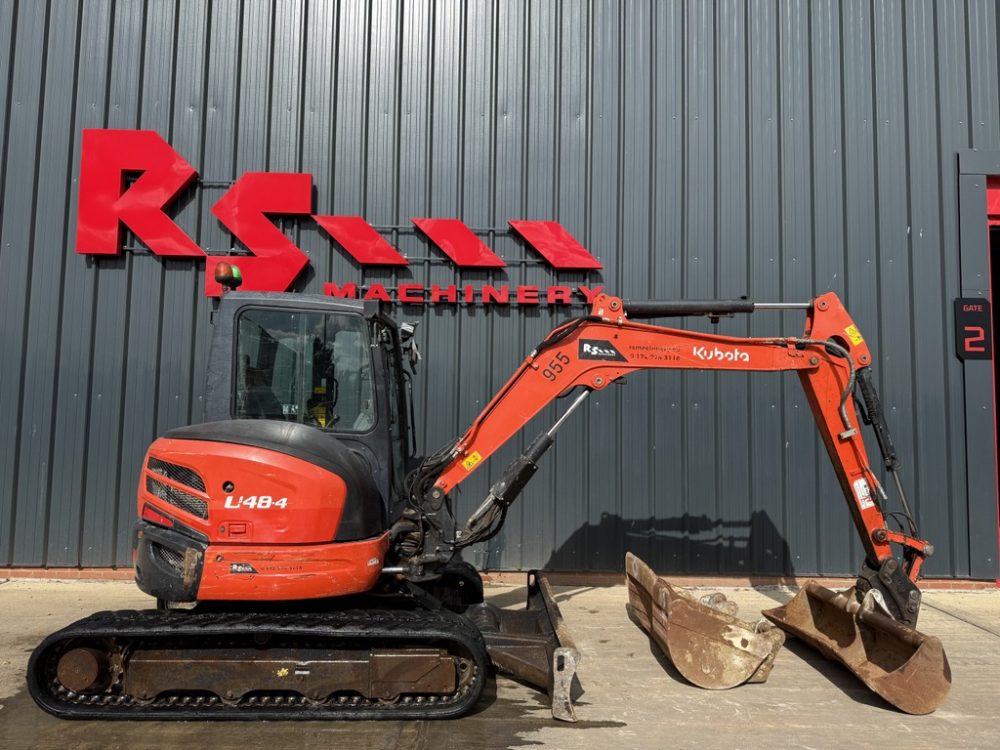
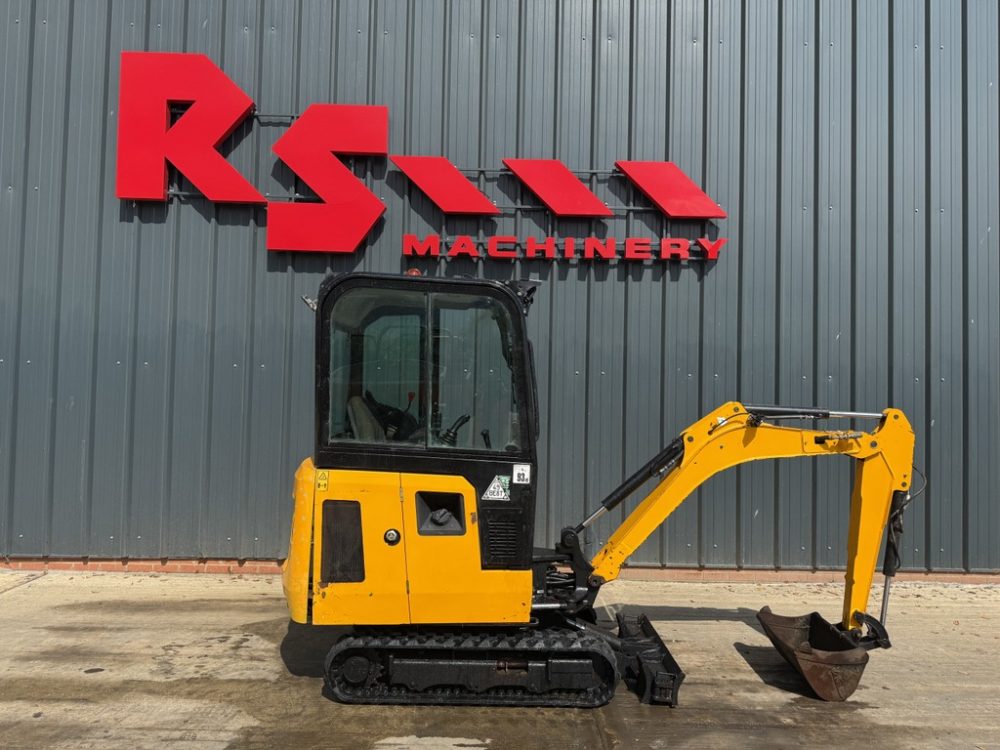
Buying a used mini excavator can be a smart move on UK sites, but it’s also one of the easiest ways to import downtime if the basics get rushed. The machine itself is only half the story; the other half is whether it suits the workface (access, attachments, ground, neighbours) and whether the paperwork and condition stack up when the first hose bursts or the first utility strike near-miss happens.
TL;DR
– Match the excavator to access and ground conditions first, then worry about hours and paint.
– Treat attachments as part of the machine, not “extras”; pin sizes, flows and couplers catch people out.
– Paperwork is evidence: servicing, ownership trail, manuals, and any inspection history help when issues land mid-job.
– Plan delivery, handover and operator competence like a lift: space, time, and a clear exclusion zone.
What drives the second-hand mini excavator decision on UK sites
Mini excavators sit in a sweet spot: small enough for back gardens, tight refurb courtyards and narrow gateways, but capable enough for drainage runs, footings, service trenches and internal strip-outs (with the right method and controls). The attention on used units usually comes from three pressures.
First, programme. If the job needs a machine for weeks rather than days, the hire bill can start to feel like dead money, especially when the excavator will be useful again on the next plot, phase or maintenance backlog. Second, availability. Popular weights and zero/short tail models can be thin on the ground at short notice, so people look at buying to control continuity. Third, site compatibility: once you’ve found a machine that fits your access route, loading limits and noise constraints, there’s a temptation to “stick with what works” and put that capital to use.
That said, the UK market reality is that many minis have lived hard lives on short hires, with multiple operators, multiple sites, and varying maintenance culture. A tidy cab doesn’t prove a tidy hydraulic system.
Where used minis win (and where hire still makes sense)
Used purchase tends to work when utilisation is predictable and the tasks are repetitive: plot drainage, small foundation packages, kerb lines, attenuation crate digs, or ongoing utilities tie-ins. Owning also lets you standardise attachments and keep the same coupler, buckets and breaker that your operators already understand. You can plan servicing around site shutdowns rather than hire return dates, and you control what turns up each Monday.
Hire stays attractive when the job is variable: you might need a 1.5t for a courtyard one week, then a 5t with a tilt bucket and extra reach the next. It also makes sense where your site team doesn’t want the admin of storage, theft risk, transport arrangements, and maintenance scheduling. If the machine will sit idle for long spells, or if you’re unsure whether you need steel tracks, rubber tracks, or a particular tail swing, hire can be the cheapest way to learn what “right size” actually looks like.
A common middle ground is to hire first for a phase, then buy once the site has proven the spec. That approach can also flush out attachment needs you didn’t foresee, like a grading bucket for finishes or a narrow trench bucket for services.
A site scenario: the machine fits the gate, but not the job
A small principal contractor takes on a refurbishment and extension in a tight urban street with resident parking and timed deliveries. To avoid waiting on hire availability, the buyer picks up a used 1.8t mini excavator with a quick hitch and two buckets, delivered on a beavertail early Monday. The machine squeezes through the gate nicely, but the first day is lost because the breaker on site won’t connect to the coupler, and the auxiliary hydraulics are set up differently than expected. On day two, the operator reports the tracks “snatching” on turns and a slight slew judder when trimming close to a party wall. By mid-week, a weep at a hydraulic fitting turns into a hose failure, and the team parks it up while waiting for parts because nobody is sure what hoses have been fitted previously. The groundworker swaps back to hand-digging around existing services to keep moving, which knocks productivity and adds fatigue risk. The job ends up with the right machine in the wrong configuration, plus a paperwork gap that makes fault-finding slower than it needed to be.
One pass that catches most problems before money changes hands
A used mini excavator isn’t just “does it start and dig”. You’re buying wear patterns, maintenance habits, and compatibility with your attachments and operators. Before committing, a structured walkaround and function run is time well spent, ideally with someone who knows minis and isn’t emotionally invested in getting the deal done.
– Cold start and idle behaviour: watch for excessive smoke, hunting revs, and warning lights that disappear too quickly.
– Hydraulics under load: curl, crowd, slew and track against resistance; listen for pump strain and watch for speed changes.
– Pins, bushes and boom play: check at bucket, dipper and boom; sloppy joints show up in grading and increase breakage risk.
– Undercarriage and tracks: look for uneven wear, damaged rollers, loose track tension, and signs of chronic running on hardstanding.
– Quick hitch and attachments: confirm pin diameters, coupler type, bucket condition, and auxiliary line setup for any breaker/auger use.
– Paper trail: servicing notes, parts receipts, manuals, and any inspection history you can evidence; missing history isn’t a deal-breaker, but it’s a pricing and risk signal.
The paperwork and handover that actually helps on site
Documentation isn’t about filing for filing’s sake; it’s what lets a supervisor make a quick call when something looks off. At minimum, you want a clear record of what the machine is, what’s been done to it, and what it’s equipped with today. If the machine has had replacement couplers, auxiliary lines modified, or non-standard safety isolators fitted, that needs to be visible at handover, not discovered by the operator at 07:10.
Good handovers are practical: controls orientation, isolator location, emergency procedures, safe lifting points (if applicable), and any known quirks. If you’re bringing a used machine into a mixed-trade environment, think through exclusion zones and interfaces. Minis often work right where people want to walk: in housing plots near materials drops, or in refurb projects where M&E trades are threading through the same corridors.
Common mistakes
Assuming hours alone tell the story; a low-hour machine can still be abused, and a higher-hour machine can be well maintained.
Buying a coupler “blind” and discovering later that buckets, breakers or grabs don’t match pins, widths or hydraulic flows.
Letting delivery and handover happen in live traffic without a clear banksman role and a protected area to offload and brief.
Treating small excavators as low-risk and letting competence drift, especially when multiple operators hop on and off between tasks.
What to tighten before the next used purchase or long-term hire
If you’re weighing up the next machine, focus on how it will behave in the reality of your sites rather than in a yard demonstration.
Start with access: gate width, turning space, track marks risk, overhead constraints, and whether you’re crossing services, slabs or basements. Then pin down the work: trenching depth, lift-and-place needs, grading quality, and whether you’ll be on wet ground that punishes undercarriages. Put attachments into the spec early: bucket widths, grading bucket, breaker, auger, grab, tilt functions, and whether you need extra auxiliary lines.
Operationally, plan the first week like mobilisation, not “it’s only a mini”. Decide where it parks, where it fuels, who holds the keys, how daily defects are captured, and what the escalation route is when a leak or slew issue appears. A mini excavator that’s constantly moved, borrowed, and parked in the wrong place is more likely to get damaged and less likely to get looked after.
The market will keep rewarding buyers who treat used plant as an engineering asset rather than a bargain hunt. Watch for competence drift on smaller machines and for paperwork habits that turn minor defects into multi-day stoppages.
FAQ
Who should be operating a mini excavator on a UK site?
Good practice is that operators are trained and can demonstrate competence on the specific type and attachments in use. Even experienced operators can get caught out by different control patterns, quick hitches, and auxiliary services. Where multiple trades are close by, supervision and clear exclusion zones matter as much as the operator’s seat time.
What should we sort out before delivery to a tight site?
Have a clear offload point, a banksman/spotter role agreed, and a plan for keeping pedestrians and site traffic separated. Check access width, overhead obstructions, and ground bearing where the wagon will stand and where the excavator will track. Build in time for a proper handover rather than trying to do it mid-unload.
How do attachments catch people out on second-hand minis?
Coupler types, pin sizes and bucket widths can look “near enough” until you try to connect them under pressure on a wet Monday morning. Auxiliary hydraulics vary as well—flow requirements for breakers and augers need matching to what the machine can provide and how it’s plumbed. Confirm what’s included, what’s compatible, and what condition the attachments are in, not just the base machine.
What paperwork is actually useful once the machine is on site?
Servicing and repair history, manuals, and a clear record of what’s fitted (coupler type, safety devices, auxiliary setup) help supervisors make decisions quickly. Any inspection or maintenance notes are valuable as evidence when diagnosing faults or planning downtime. Missing paperwork doesn’t automatically rule a machine out, but it should change how you price risk and plan contingency.
When should a supervisor escalate a “small” issue rather than keep digging?
Escalate early if you see hydraulic leaks, unusual slew judder, track problems, or controls behaving inconsistently, especially around services or structures. Stop-and-fix is usually cheaper than running a fault into a failure that strands the machine in an awkward spot. If the operator is compensating with workarounds (extra revs, repeated movements, working too close to people), that’s a site control issue, not just a maintenance one.