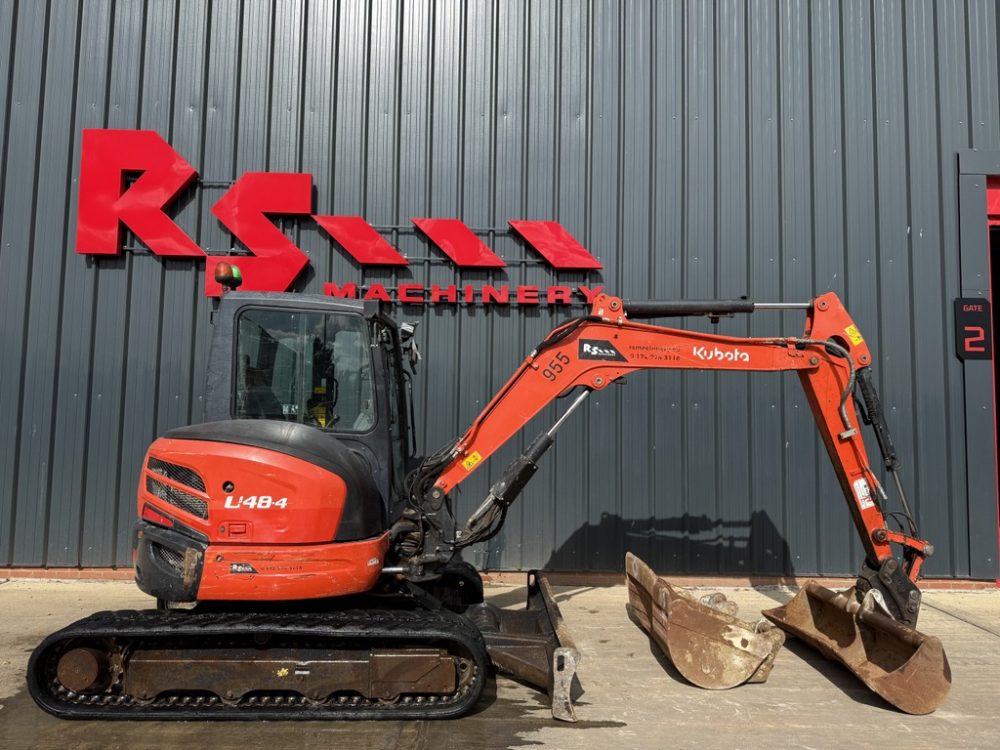
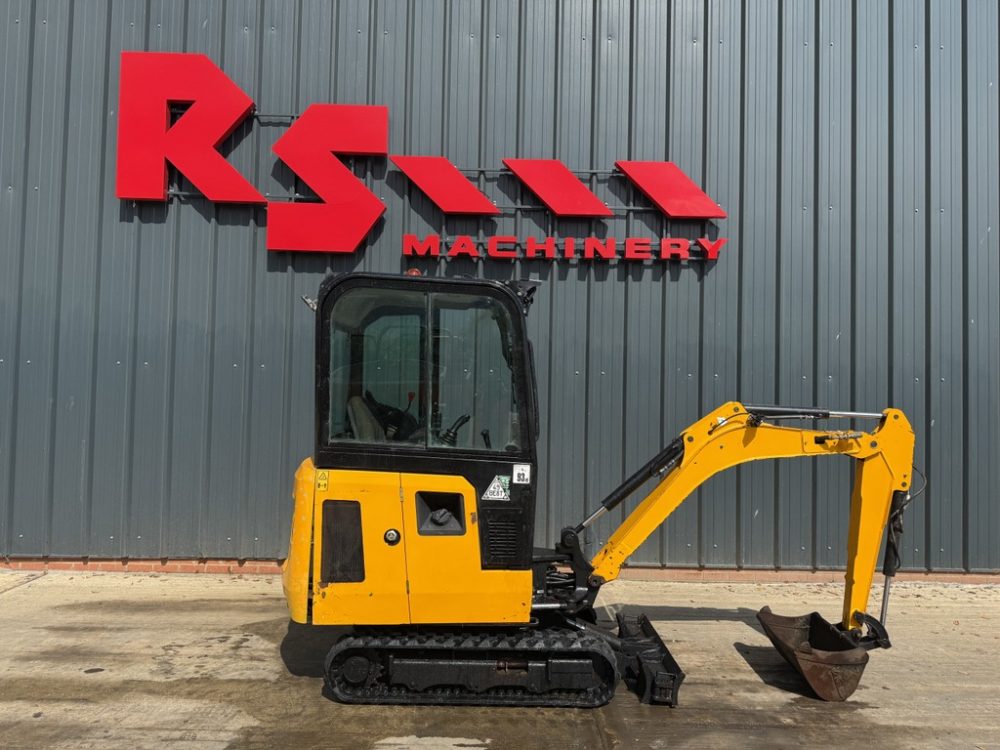
A 3-tonne mini excavator sits in a sweet spot on UK sites: small enough to get through a standard gate and work alongside services, but with enough weight and reach to do proper production digging. That’s why used machines in this class attract attention from small civils outfits, groundwork contractors, utilities teams and main contractors bolstering their own fleet. The catch is that “3-tonne” covers a wide spread of tail-swing, undercarriage, hitch setup, auxiliaries and condition, and those details decide whether it’s a useful site tool or an expensive distraction.
TL;DR
– Match the excavator to access, ground conditions and attachment needs before looking at paint, hours or price.
– Prioritise evidence: service records, any inspection history, and a clean handover with working safety features.
– Budget for the “site-ready” bits on a used machine (hitch type, buckets, hoses, tracking, transport, security).
– Treat leaks, excessive play and messy paperwork as programme risks, not just maintenance jobs.
The kit reality on UK sites: what “3-tonne” actually means
On paper it’s a compact machine; on site it’s a logistics decision. The difference between a zero/short tail-swing model and a conventional tail can be the difference between working safely in a tight corridor and constantly stopping traffic because the counterweight is sweeping into a live route. Track width and shoe type affect whether you’ll chew up finished sub-base, float on soft ground, or ride like a shopping trolley on broken concrete.
Hydraulics matter more than many buyers admit. If you’re planning to run a breaker, auger or rotating selector, you want to know whether it has the right auxiliary lines and whether the flow is stable. A tidy cab with working heater demist and clear visibility isn’t a luxury either; it affects fatigue and the chance of striking services or people when you’re working near banksmen and other trades.
When buying used beats hire (and when it doesn’t)
Buying a used 3-tonner can stack up when utilisation is consistent and the machine stays local. It’s particularly attractive for firms doing repeatable tasks: service trenches, drainage runs, small foundations, kerb prep, landscaping works, and light demolition with the right attachment and method.
Hire can still be the calmer option when the job is short, access is uncertain, or you need a specific configuration at short notice (for example, a zero tail with a particular hitch and bucket set). Hire also shifts some of the downtime risk away from the project team, which can be valuable when you’re juggling multiple plots or reactive utilities work. The key is being honest about how often the machine will sit idle, and whether you can absorb a few days of lost production if a used purchase needs parts and workshop time.
A real-world site situation: where used purchases go right (or wrong)
A small civils gang turns up on a live refurb of a retail park unit where the landlord has insisted the access road stays open. The plan is to dig a short drainage run and install a new gully connection, but deliveries are time-boxed and the muck-away wagon can only reverse into a narrow bay. The used mini excavator arrives on a beavertail, and the driver can’t set down where the supervisor expected because the ground is soft and the turning area is tight. On the first swing, it’s obvious the machine is a conventional tail and the counterweight clips into the pedestrian route unless a banksman holds people back. The quick-hitch doesn’t match the buckets brought by the subcontractor, so the crew starts swapping pins manually to “get going”. Half an hour later a hydraulic hose weeps under load and the operator wipes it clean, hoping it will settle. By mid-morning the exclusion zone has ballooned, the programme is sliding, and everyone is blaming “a cheap machine” when most of it was selection and readiness.
The Controls Playbook: making a used 3-tonner site-ready without drama
Stage 1: Confirm the job fit before you chase a deal
Start with what the excavator needs to achieve, not what’s available. Think about access widths, working beside footpaths, the presence of overhead restrictions, and whether you’ll be digging close to structures where tail swing and slew control matter. If you’re regularly loading muck into a skip or stockpiling near a boundary, a stable undercarriage and sensible bucket capacity will beat an optimistic “it’ll do” approach.
Be clear about attachments. A 3-tonner that can only run a standard digging bucket will limit you quickly; equally, a machine with extra services is only useful if the couplers, hoses and controls are in good order. If you’re working in tight urban areas, consider whether you need a blade for trimming and backfilling, and whether the machine’s weight and transport method suit restricted delivery routes.
Stage 2: Use evidence, not stories, to judge condition
Used plant buying gets risky when decisions are made on appearance and a quick idle test. Hours can be informative, but they don’t tell you how the machine was run, whether it spent its life on breakers, or whether servicing was consistent. Look for supporting evidence: service invoices, parts records, and any inspection history the seller can provide. If there’s a previous hire fleet background, that can be positive when maintenance is structured, but it still needs validating.
Spend time on the wear points that affect production and safety. Excessive play at pins and bushes, uneven track wear, sloppy slew, and weak travel motors don’t just cost money; they change how the machine behaves on slopes and around people. Small leaks can indicate a bigger issue when the machine is worked hard and warmed up.
Stage 3: Walkaround that mirrors a site handover
A used purchase should get the same discipline you’d expect on delivery from hire. Controls should feel predictable, emergency stops and isolators should work, and the seat belt and guarding should be serviceable. Visibility aids—mirrors, lights, wipers—matter on dark winter afternoons when plant is moving near pedestrians and deliveries.
Documentation should also be treated as part of the asset, not an afterthought. You want the machine identity to be clear (plates/serials), and you want enough paperwork to support your own compliance processes and insurance conversations. If you can’t align the machine to a maintainable record trail, it becomes harder to manage across projects and operators.
Stage 4: Plan the “hidden” costs that hit first week on site
Most disruption from a used mini excavator happens in the first few shifts: buckets don’t match, hoses weep, trackers need tensioning, pins need greasing, and a worn battery gives up. Budget time and money for making it genuinely site-ready: consumables, filters, pins, a bucket set that matches your work, and any security upgrades you rely on (immobiliser habits, key control, trackers, physical protection).
Also factor logistics. A 3-tonner still needs safe loading, transport and set-down space, and you may be working in areas where deliveries are booked slots. If you can’t unload without blocking a road or compromising pedestrians, the machine choice is wrong for that job, however good the price looked.
Stage 5: Put a simple acceptance gate in place
Before the machine is put straight into production, run it through a short proving period in controlled conditions. Warm it fully, cycle the hydraulics, travel in both speeds if fitted, slew under load, and operate any auxiliaries. Listen for unusual noises, watch for hunting revs, and check whether the machine holds position without creeping. The aim isn’t to find perfection; it’s to spot issues that will break the week’s plan or create unsafe workarounds.
Common mistakes
– Buying based on hours and cosmetics while ignoring play in pins/bushes and the condition of the undercarriage. Those wear areas drive both stability and repair cost.
– Assuming any quick-hitch will “fit most buckets” on site. Mixed hitches and pin sizes are a common source of delays and unsafe improvisation.
– Accepting vague service history because the machine “runs fine on the yard”. Problems often appear when hydraulics are hot and the machine is working continuously.
– Treating access and set-down as a transport issue only. If unloading forces you into live routes, the site ends up carrying the risk.
Practical pre-purchase and handover checklist (UK site-focused)
– Confirm tail-swing type, overall width, and whether it fits your typical gates, paths and work zones.
– Establish hitch type and pin sizes, and line up a bucket/attachment set that matches it.
– Run the machine to full temperature and operate travel, slew and auxiliaries under load; look for leaks and drifting.
– Inspect undercarriage wear (tracks, rollers, idlers) and check for uneven tension or damage.
– Ask for service records and any inspection/maintenance history that helps you manage the asset internally.
– Agree what comes with it (spare keys, manuals, any attachments) and document the handover condition.
What to tighten before the next shift starts
Operator competence and site rules need to meet in the middle. Make sure whoever is stepping into the cab is familiar with the control pattern and any auxiliary controls, and brief how you want lifts, slewing near boundaries, and travelling in shared areas handled. Put a clear exclusion zone around the working area and make a named banksman/spotter arrangement when the machine is operating near pedestrians, deliveries or scaffold lines.
If something feels “not quite right” in the first hour—creeping, unexpected response, a hose sweating, a hitch that doesn’t lock positively—treat it as a stop-and-sort item. It’s cheaper than recovering a machine from the far end of a congested site, and it prevents the kind of workaround culture that leads to incidents.
The used 3-tonne mini excavator market will keep moving with project starts, seasonal ground conditions and availability of the right specs, not just price. What’s worth watching next is how often paperwork, attachment compatibility and site access planning are treated as afterthoughts—because those are the habits that quietly turn a “good buy” into lost time.
FAQ
Do I need a specific ticket or qualification to operate a 3-tonne mini excavator?
Most UK sites expect evidence of training/competence for the category, and the requirement is often driven by the principal contractor and insurer. Even on smaller jobs, it’s good practice to ensure operators are familiar with the control pattern, auxiliaries and local rules. Where visitors or the public are nearby, supervision and clear segregation become just as important as the card in a wallet.
What should I sort out before delivery to a tight site?
Think beyond “can the lorry get in”. You’ll want a set-down area with firm ground, room to unfold ramps safely, and a plan that doesn’t force unloading into live pedestrian routes. If deliveries are booked, confirm the time slot and who is controlling traffic and pedestrians during arrival.
How do I avoid attachment and hitch compatibility problems?
Identify the hitch type and pin sizes early, and standardise across your fleet where you can. If you’re buying used, confirm the buckets/attachments you already own will fit without improvised pin swaps. On site, avoid mixing attachments from multiple subcontractors unless someone is responsible for compatibility and safe coupler use.
What paperwork is worth asking for with a used mini excavator?
Service and maintenance records are the most helpful day-to-day, along with manuals and clear machine identification details. Any previous inspection history can support your own internal checks and help with consistent record-keeping. If documentation is missing or doesn’t match the machine, treat it as a management risk and plan how you’ll rebuild a reliable record trail.
When should a supervisor escalate a concern rather than “run it for now”?
Escalate when safety systems don’t function as expected, when the hitch or attachment connection is uncertain, or when the machine behaves unpredictably (creeping, poor braking/holding, or erratic hydraulics). Also escalate if the exclusion zone can’t be maintained because of site congestion or overlapping trades. Early escalation usually protects programme, because unplanned stoppages tend to happen at the worst possible moment.