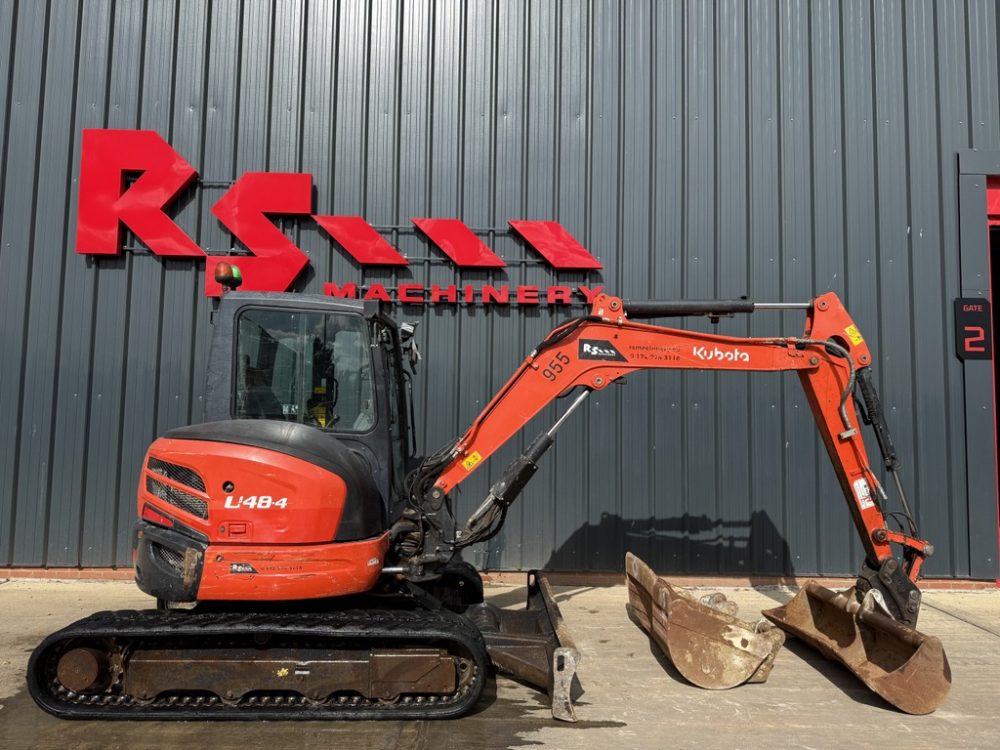
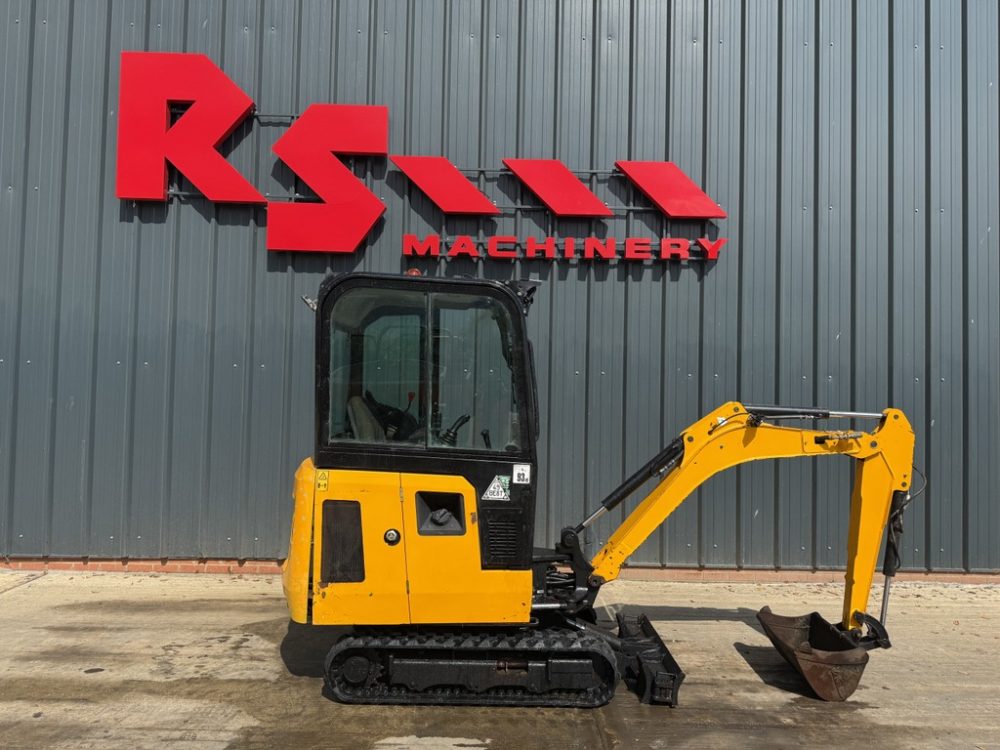
Finding a compact excavator to suit UK work isn’t difficult; finding one that actually matches your ground, access, attachments and programme is where money and time get lost. Whether you’re buying for the fleet or taking a punt on a used unit, the smallest machines still carry big consequences: damaged services, blocked access routes, idle operators, and downtime when the bucket or hitch doesn’t match what turns up.
TL;DR
– Pick the machine around access, ground and attachment needs first; weight class comes after.
– On used machines, paperwork and pin/bush wear tell you more than fresh paint ever will.
– Handover matters: controls pattern, quick hitch type, and safety devices need confirming before first dig.
– If the job is short or conditions are unknown, hire can be the lower-risk way to prove the size and spec.
Plain-English buying vs hiring on UK jobs
For short-duration tasks (service trenches, drainage runs, small pads, landscaping and kerb lines), hire often wins because you’re paying for a known working machine with support if it stops. It also lets you step up or down a size once you see the ground and access in reality, not on a drawing.
Buying starts to make sense when you’ve got steady utilisation, a defined operator group, and attachments that will be used week in, week out (ditching buckets, grading beams, breakers, augers). Ownership also brings predictable familiarity: the same controls, same hitch, same hydraulic flows, same maintenance habits.
Selling a used mini excavator in the UK market is mostly about evidence. Hours alone don’t prove condition; a well-documented service history, sensible repairs, and a clean undercarriage story do. Buyers will also judge how the machine has been transported and stored, and whether attachments are genuine matches rather than “it fits if you persuade it”.
How it plays out on site: access, ground and interfaces
A mini excavator’s “size” is rarely the problem; it’s the full working envelope. Tail swing, boom offset, blade use, and slew clearance decide whether you can work beside a scaffold lift, between parked materials, or tight to a live footpath with barriers.
Ground conditions catch people out because minis get sent where larger kit can’t go. Soft made ground, back gardens, footpaths over services, and slab-on-grade with unknown thickness can all turn a simple dig into a recovery plan. Track choice (rubber vs steel), mats, and where you’re allowed to slew spoil become day-to-day programme issues, not theoretical considerations.
Interfaces with other trades are where incidents and delays breed. A mini excavator digging in the same corridor as drainage, electric ducting, and kerb gangs needs clear sequencing, agreed exclusion zones, and someone owning the traffic/pedestrian side if the work borders a live route. “We’ll just work around each other” tends to end with a machine idling while people argue about who’s in whose way.
A site-real UK scenario: when the ‘right size’ still goes wrong
A small civils gang arrives on a school refurbishment over the summer break, tasked with digging a new drainage connection across a narrow service yard. Delivery is early because the wagon needs to clear before the first subcontractors arrive, so the excavator is offloaded before the site manager is on the ground. The machine has a quick hitch, but the bucket set on the pallet includes one with a different pin spacing, so the operator swaps to the only one that “goes on” and cracks on. By mid-morning, the spoil heap blocks the fire escape route, and the electrician’s lift needs the same access, so everything stops while routes are reworked. A banksman is pulled from another task, but no one has agreed where pedestrians are being diverted, and the exclusion zone keeps creeping. Later, the machine struggles to track back over a soft patch and chews the surface, creating a reinstatement argument that wasn’t in anyone’s plan. The job gets done, but the lost time comes from preventable basics: handover, attachments, and site readiness.
Pre-purchase and pre-hire: what to look at beyond the brochure
If you’re buying used, start with the parts that reveal how it’s lived: pins/bushes, slew ring play, track wear and the condition of the blade. Excess movement at the dipper, uneven track tension, and weeping around rams and hoses are more useful signals than a clean cab. Cold-start behaviour and hydraulic response under load matter; a machine that feels fine when warm can still be lazy when it’s first fired up on a winter morning.
Documentation is practical evidence, not paperwork theatre. Service records, recent repairs, any inspection history for lifting accessories, and clear serial numbers that match the machine all reduce ambiguity. If a unit has a quick hitch, you want clarity on what type it is, what buckets/attachments are compatible, and whether any safety devices are present and functioning.
If you’re hiring, the same mindset helps. Confirm what turns up: actual weight class, tail swing type, hitch and bucket sizes, and whether a breaker line is fitted if you need one. On delivery, a quick walkaround with the driver or fitter avoids the awkward “we didn’t order that” call once the wagon has gone.
A workable checklist for UK buyers and site leads
– Confirm access constraints: gate widths, turning areas for delivery, and where the machine can be offloaded safely.
– Match attachments to the hitch and pin spacing; don’t assume buckets are universal.
– Look for pin and bush wear, slew play, track condition, and any fresh paint hiding fresh welding.
– Ask for service history and evidence of recent maintenance; note any gaps and how they’re explained.
– Establish who is operating and whether they’re competent on that control pattern and hitch type.
– Agree spoil placement, exclusion zones and pedestrian/vehicle routes before the first bucket goes in.
Common mistakes
1) Choosing purely on operating weight, then discovering the tail swing or boom offset won’t physically work in the space. The machine fits through the gate but can’t work once inside.
2) Accepting an attachment bundle without confirming compatibility. A near-miss often starts with “it looked like it would fit”.
3) Treating the handover as a formality. Control pattern, emergency stops, isolators and safety devices get missed when everyone is rushing.
4) Letting the excavator become the de-facto traffic marshal. Operators end up watching pedestrians and banksmen duties get diluted, increasing risk and slowing production.
Pitfalls and fixes: condition, handover and day-one productivity
Hydraulics and electrics are common downtime drivers on older minis, especially where hoses have been routed poorly or rubbed over years of tight work. A machine can appear tidy but still be one chafed hose away from a dead day. Look for tidy hose runs, protected couplings, and signs of repeated repairs in the same place.
Handover should be about how the machine will actually be used. If the job involves lifting (even just moving pipes or chambers), think early about lifting points, suitable accessories and whether there’s a plan for examination and records in line with common UK expectations. Even when you’re not lifting, isolation, refuelling, and safe parking positions need agreeing so the machine doesn’t end up blocking access or sitting on ground that can’t take it.
Attachments are where productivity is won or lost. A grading bucket and a tilt function can transform reinstatement quality, but only if the operator is comfortable and the site has room to work cleanly. Breakers and augers add capability but need the right hydraulic provision, pinning arrangements, and a clear plan for wear parts and safe use around services.
What to tighten before the next delivery
Spend ten minutes mapping the excavator’s first hour: where it comes off, where it parks, where spoil goes, and who controls the interface with pedestrians and other trades. Confirm the hitch type and bucket sizes in writing on the order, then match what arrives before the wagon leaves. Make one person accountable for the handover sign-off and another for the work area setup so nothing gets “assumed” between roles.
Ownership, hire, or resale value all come down to the same basics: the machine’s real condition, the fit with your work, and how consistently sites set it up. Watch for competence drift with quick hitches and attachment changes, and keep an eye on how often “we’ll sort it as we go” replaces proper handover and segregation.
FAQ
Do I need a specific ticket to operate a mini excavator on a UK site?
Most principal contractors expect evidence of training and competence for plant, even on smaller machines, and it’s common to see CPCS/NPORS or an equivalent route accepted. Just as important is familiarity with the specific controls, quick hitch operation and the attachments being used. If it’s an occasional operator, a structured familiarisation at handover prevents a rough first day.
What should I sort out before delivery to a tight residential or courtyard site?
Think like the delivery driver first: access width, turning space, overhead hazards, and a safe offload area that won’t block neighbours or site routes. Have ground protection ready if you’re crossing paving or soft ground, and decide where the machine will be parked when not in use. If deliveries are time-restricted, make sure a competent person is there to receive and sign for the right kit.
How do I avoid bucket and quick hitch compatibility problems?
Get the hitch type confirmed and match it to pin diameter and centres for every bucket and attachment. On arrival, physically offer up the bucket and verify the locking arrangement before the machine is put to work. If anything looks improvised, stop and sort it while the delivery is still on site rather than after the first trench is open.
What paperwork is worth asking for when buying used?
Service history, evidence of routine maintenance, and any records relating to repairs are the practical backbone, along with serial numbers that clearly match the machine. If it comes with lifting accessories or you intend to use it for lifting, ask what documentation exists for those items as well. Missing paperwork isn’t automatically a deal-breaker, but it should influence price, risk appetite and your plan for bringing the machine up to standard.
When should I escalate concerns during a hire or on a newly purchased machine?
Escalate early if safety devices don’t function, the quick hitch locking is uncertain, or there are visible hydraulic leaks, unusual noises, or control issues that affect safe operation. Also escalate if the work area can’t be segregated properly and the operator is being asked to manage pedestrians or vehicles at the same time. Small issues on a mini excavator become big problems quickly because the machine is often working close to people, services and structures.