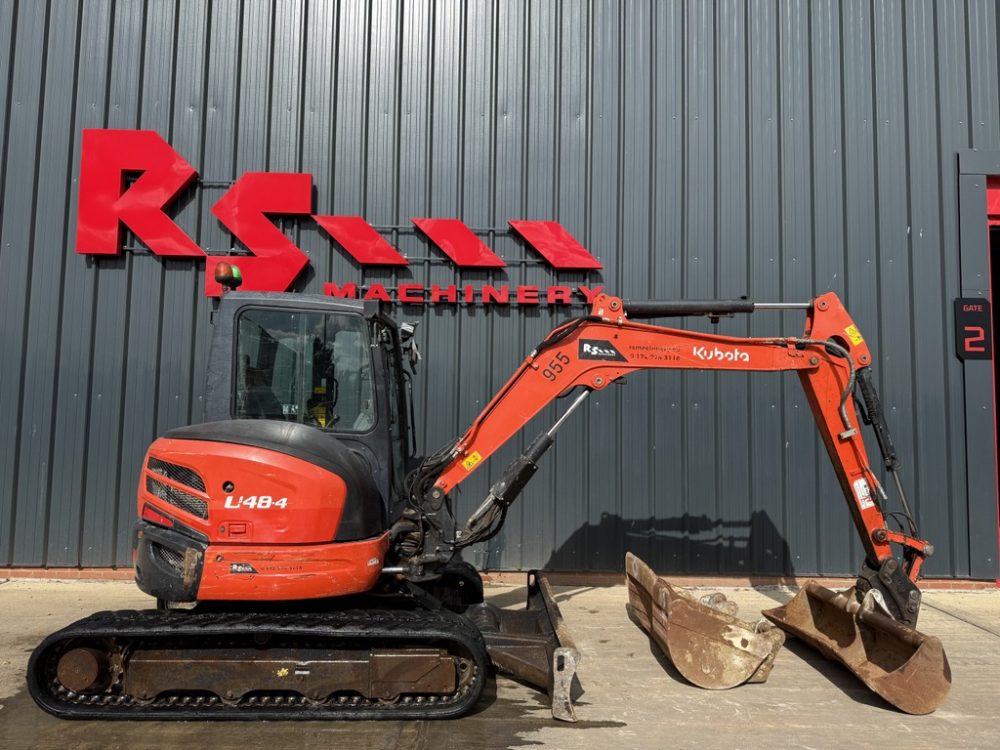
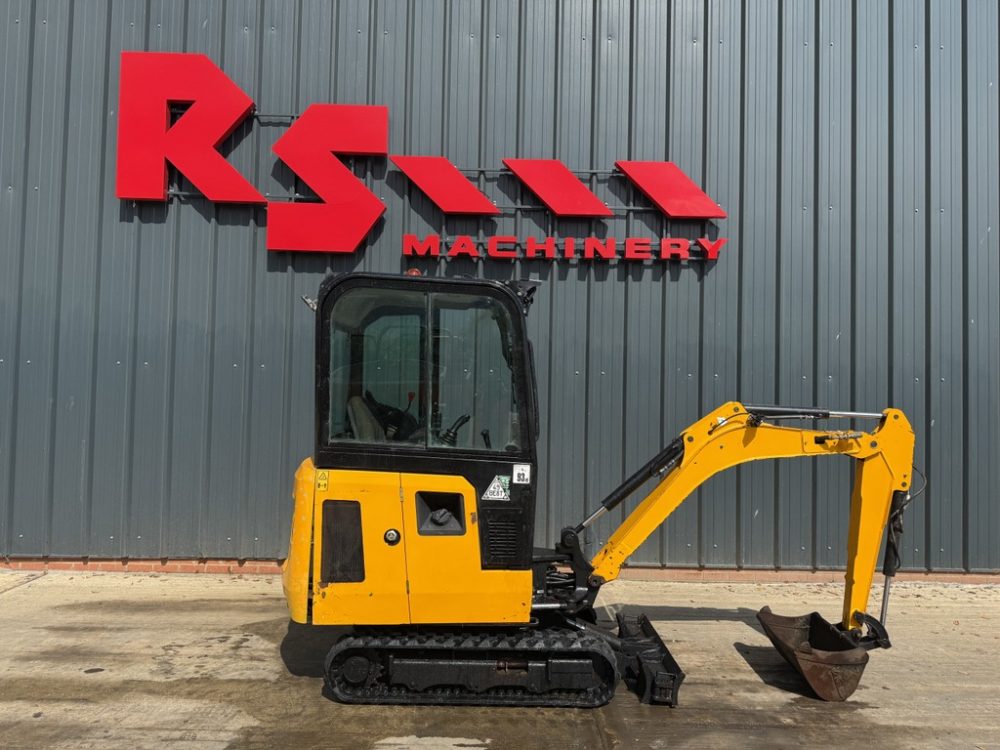
Buying a pre-owned mini excavator can be the quickest way to get reliable digging capacity onto a UK site without waiting on new lead times, but it’s also where small assumptions turn into daily downtime. Condition varies wildly even between similar hours, and the “right” machine is as much about access, attachments, ground and operator habits as it is about brand or age.
TL;DR
– Match the machine to access and ground first, then worry about hours and paintwork.
– Paperwork and serials should line up with the physical machine; missing history is a risk, not a bargain.
– Budget time and money for attachments, buckets, quick hitch compatibility and delivery logistics.
– A good handover and a tight walkaround prevent most day-one stoppages and call-backs.
Plain-English basics: what you’re actually buying
A mini excavator isn’t just “a digger”; it’s a package of capability that has to suit your site constraints. In UK terms, the difference between a 1.5t and a 3t machine can be the difference between fitting through a gate and needing panels off, or tracking over finished slabs without damage. Tail swing, dozer blade width, track type (rubber/steel), and auxiliary hydraulics will affect where you can work and what you can run.
Hours matter, but they’re not the whole story. A low-hour machine that’s been sat outside or run without greasing can be more troublesome than a higher-hour unit with consistent servicing. Likewise, a machine that’s lived on demolition with a breaker can show wear in pins, bushes and boom/stick that doesn’t show up in a quick start-and-idle test.
If you’re comparing used vs hire, think about utilisation and consequences. Hire can suit short bursts, uncertain scope, or when you need a swap-out fast. Buying tends to make sense when you’ve got steady need, consistent operators, and you can absorb maintenance planning and occasional downtime without wrecking the programme.
How it plays out on site: a short scenario from a live job
A small refurbishment job in the Midlands needs a mini excavator for drainage runs in a tight rear yard, with a narrow passageway between the existing building and a boundary wall. The buyer finds a tidy used 2.6t machine online and arranges delivery for 07:00 Monday to hit the ground running. The lorry arrives, but the access is tighter than remembered because scaffold standards have gone in over the weekend, and the only turning point is now blocked by a pallet of blocks. The machine squeezes through, but the bucket supplied is a wide grading bucket and the team actually needs a narrow trenching bucket to meet the line and level without over-dig. Mid-morning, the operator flags that the auxiliary pedal is sticky and the quick hitch doesn’t match the site buckets from another gang. By lunchtime, the excavator is sat while someone drives to collect the right attachments and the supervisor reworks the day plan around the delay. Nothing “catastrophic” happened—just a sequence of small mismatches that cost a day.
Pitfalls that cause downtime (and fixes that work)
Used minis often fail in predictable, site-relevant ways. Pins and bushes wear gradually until the machine feels “loose” when trimming or working near services; that’s when operators start compensating with extra movements, which slows production and increases risk. Undercarriage condition is another hidden cost: tracks, sprockets and rollers don’t just affect travel, they change stability on uneven ground and how the machine holds grade.
Hydraulics are where “seems fine” can become expensive. A machine can lift and dig at idle, yet struggle under load when oil is hot, particularly if filters and oil changes were stretched. Look for smooth, predictable responses through the full range: slew, boom down under load, crowd, and tracking together—because that’s how it will be used on a live job.
Electrics and cabs are not cosmetic. A tired ignition switch, intermittent seat switch, broken beacon, or poor mirrors can become a daily nuisance and a safety headache when you’re managing pedestrian interfaces and delivery traffic. For UK sites, the cab environment also affects whether operators keep doors shut, use mirrors, and stay comfortable enough to work accurately for a full shift.
Pre-purchase checks that stand up in the real world
A viewing should be more than a quick walkaround in a yard. Try to see the machine start cold, then work it until it’s warm; plenty of issues only appear once oil thins and systems heat soak. Listen for knocks when booming down, watch for drift when you hold a load, and pay attention to whether it slews smoothly or hunts.
Paperwork is practical evidence, not admin for its own sake. Service records, parts invoices, and consistent dates help you understand how the machine has been treated. Serial numbers should correspond with what you’re being shown, and it’s sensible to ensure any included attachments belong with the machine and are suitable for the quick hitch type fitted.
A focused used-mini checklist (take it to the yard)
– Confirm operating weight and width suit your tightest access, not your best access.
– Run the hydraulics to working temperature and cycle boom/stick/bucket and slew under load.
– Inspect pins, bushes and linkage for play; look for fresh grease vs dry joints and oval wear.
– Look underneath: track condition, leaks, damaged belly plates, and signs of hard grounding.
– Verify quick hitch type and bucket pin sizes; include at least one bucket you’ll actually use.
– Match serial/VIN and any service history to the machine in front of you, not just the advert.
Nejčastější chyby
– Buying on hours and appearance alone, then discovering the undercarriage and pins are the real cost. A tidy respray can hide a hard life.
– Assuming “aux lines fitted” means “breaker-ready” or compatible with your attachments. Flow, couplers and controls need to match how you’ll use it.
– Overlooking delivery and offload constraints, then improvising on arrival. A poor offload plan can burn the first morning and add risk.
– Treating handover as optional because the operator “knows diggers”. Every machine’s controls, quirks and safety kit set-up differ.
Handover, competence and working alongside others
Even when you buy rather than hire, the job still needs a proper handover. Controls, isolators, emergency stops, slew lock (where applicable), and daily inspection points should be understood by the operator and the supervisor. On many UK sites, the real friction isn’t digging—it’s working near footpaths, deliveries, scaffold, or live services where exclusion zones and banksman/spotter arrangements are needed.
Operator competence is also part of purchase value. A responsive, well-maintained mini can still be slow if the operator isn’t confident with trench lines, working close to structures, or managing spoil placement in tight areas. Conversely, a good operator will quickly highlight issues like drift, poor tracking power, or sticky auxiliaries that a buyer might miss in a quick demo.
If you’re bringing a used machine into a fleet, align it with your usual site controls. Think about how you’ll tag defects, store attachments, and manage keys and immobilisers. Where lifting operations are planned with the excavator, it’s good practice to ensure the lifting points, accessories and documentation are in order and that the plan matches how the machine will be used, rather than relying on assumptions made in the yard.
What to tighten before the first week’s production
The first week is where a used mini either earns its keep or becomes a distraction. Line up the attachments you’ll actually need—trenching, grading, breaker (if used), and any specialist buckets—and make sure couplers and pin sizes are consistent across gangs. Agree where the machine will be parked, refuelled and greased so it doesn’t end up blocking deliveries or sitting in soft ground overnight.
Think through interfaces: groundwork gangs, drainage, utilities, brickies waiting on footings, and anyone moving materials through the same corridor. A mini excavator can create pinch points fast, especially in housing plots and refurb rear yards, so plan pedestrian routes, spoil locations, and dump points early. If a front load dumper is used for muck-away, ensure travel routes and turning circles work with the mini’s swing area and the ground conditions after rain.
Finally, keep a simple defect-and-response routine. When a used machine starts showing minor leaks, loose trims, or intermittent electrics, the temptation is to “just get through the week”. That’s how you end up with avoidable stoppages when the programme is tight and other trades are stacked behind you. Expect the used market to stay mixed in quality and availability, and watch for competence drift when teams are under pressure to make do with whatever turns up.
ČASTO KLADENÉ DOTAZY
Do I need a trained operator for a mini excavator on a UK site?
Good practice is to use an operator who can demonstrate competence for the machine and the task, not just “can drive it”. Site rules, insurers and principal contractors often expect evidence of training and familiarisation. If the work is tight-access, near services, or alongside pedestrians, the competence bar effectively rises.
What should I sort out for delivery and offload on a tight site?
Make sure you’ve got a clear, firm offload area and a route that matches the machine’s width and turning needs. Confirm arrival times, any road restrictions, and whether a smaller delivery vehicle is needed for narrow streets or housing estates. A quick sketch of the offload and travel route can prevent on-the-day improvisation.
How do I avoid attachment mismatches when buying used?
Confirm the quick hitch type, pin sizes and whether buckets are dedicated or shared across machines. Check couplers and auxiliary connections if you plan to run a breaker or grab, and make sure controls in the cab match the attachment. If you inherit “a bucket” with the machine, verify it’s actually suitable for your typical trench widths and finish requirements.
What paperwork is worth asking for with a second-hand mini excavator?
Service history and parts invoices help you judge how it’s been maintained and what’s been replaced recently. It’s sensible to match serial numbers to the machine and keep any manuals or inspection records that support your site’s maintenance routine. Where the machine is used for lifting operations, align documentation and planning with how it will be used on your projects.
When should I stop work and escalate a defect on a used machine?
Escalate promptly if you see hydraulic leaks that worsen under load, uncontrolled movement (drift), braking/tracking issues, or safety devices that don’t function reliably. If the machine is behaving unpredictably—especially around people, services, or structures—treat it as a site control issue, not just a maintenance job. Early escalation is usually faster than recovering from an incident or an unplanned breakdown mid-task.