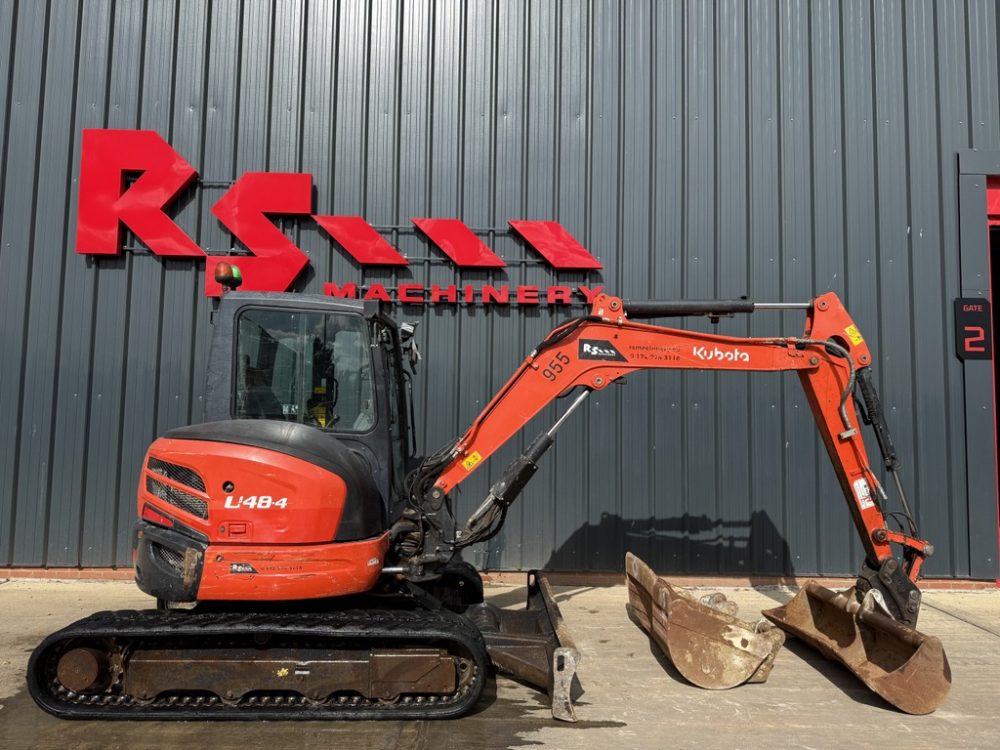
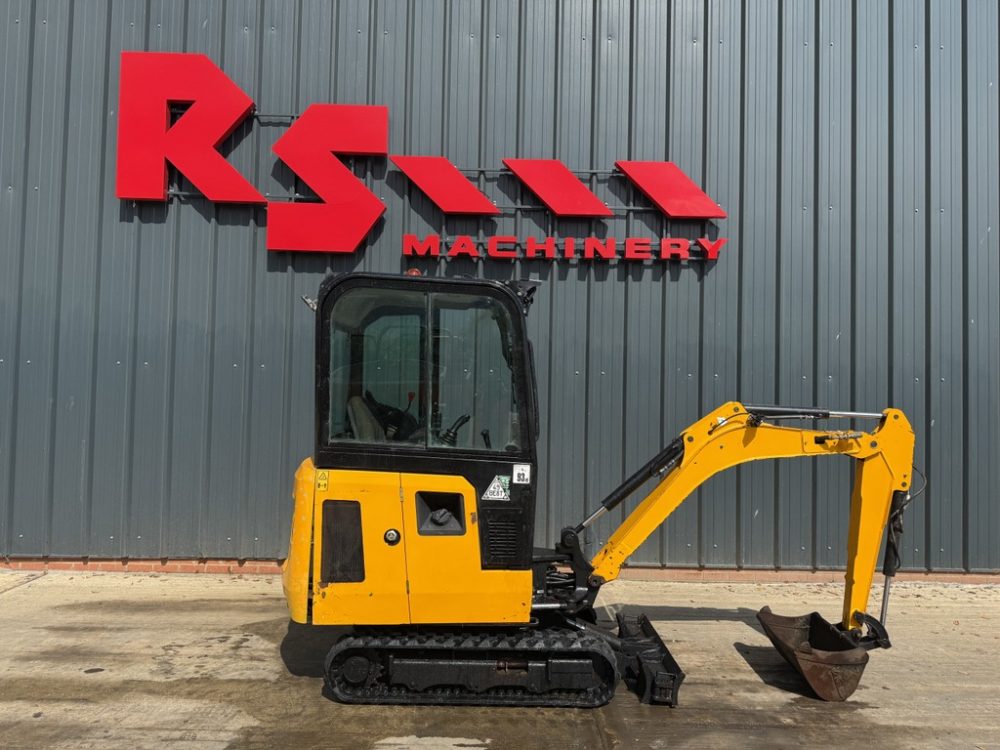
Choosing where to source a mini excavator in the UK isn’t just a buying decision; it’s a programme decision. The dealer (or hire supplier) you use affects delivery timing, the condition you receive, how quickly issues get resolved, and whether the paperwork and handover stand up when multiple trades are working in tight spaces.
TL;DR
– Match the excavator’s weight class and tail swing to access, ground and nearby services, not just the dig depth on the spec sheet.
– Treat handover and documentation as part of productivity: missing pins, wrong buckets and vague service history cost hours.
– Decide early whether you need a dealer-grade machine for ownership, or a short-hire workhorse with fast swap-out support.
– Build a simple acceptance routine on delivery and stick to it, even when the driver is under pressure to tip and go.
Plain-English routes to getting the right machine
UK sites generally land mini excavators in three ways: straight purchase (new or used), hire-to-cover (short or long term), or purchase with a short bridging hire while a machine is prepped. The right route depends on utilisation and risk appetite as much as budget.
Buying suits steady utilisation and predictable work types: drainage gangs, small civils crews, utilities and groundworks packages that keep a machine busy most weeks. Hire suits peaks, uncertainty, or when the attachment mix changes week to week (breaker today, grading tomorrow). Where people come unstuck is assuming “buy is cheaper” without factoring downtime, transport, compliance admin and the cost of a poor fit for access.
Dealer choice matters because “mini excavator” covers a wide spread: 1–2 tonne micros for back gardens and refurb internals, 3–5 tonne for general groundworks, and 6–8 tonne “midi” territory that still gets called a mini on some sites. Each step up changes transport, ground pressure, slew clearance, and the consequences of a knock.
On-site reality: a short scenario from a live programme
A refurb project in a busy town centre needs a mini excavator to dig out a rear yard for new drainage and a small attenuation crate. Access is through an archway with a tight turn, and deliveries are booked in 30-minute windows because the road is on a permit and the skip lorry also needs the slot. The excavator arrives on a beavertail and the driver wants it off quickly, but the bucket on the hitch isn’t the width the drainage gang set out for, and the grading bucket that was promised hasn’t turned up. The machine has a quick hitch fitted, but there’s no hitch certificate in the cab pack and the supervisor can’t see a recent thorough examination record in the paperwork bundle. Meanwhile, the bricklaying subcontractor is setting up in the same yard, so the slewing area is immediately contested. The fix ends up being a halt, phone calls, and a re-plan for the afternoon shift, with a temporary exclusion zone and a bucket swap arranged for the next morning. Nothing catastrophic happened, but the “simple” delivery wiped out half a day.
What “good looks like” when dealing, hiring or buying
Good sourcing isn’t about finding the cheapest weekly rate or the glossiest photos. It’s about reducing friction between the machine, the site, and the people who have to make it work.
A solid supplier conversation should quickly cover: exact access constraints (gate widths, steps, soft landscaping, basement ramps), ground conditions (made ground, wet clay, slab on grade), lifting needs (if any), attachments and couplers, and who is providing a competent operator. On delivery, good looks like a calm handover: time to walk around the unit, confirm attachments, and agree what happens if something isn’t right.
For purchases, “good” is verifiable history rather than reassurance. A used mini excavator with tidy paint can still have tired pins and bushes, a sloppy hitch, or a hydraulic pump that only shows its weakness when it’s hot and working hard. Dealers vary: some recondition thoroughly, some sell “as seen” with minimal prep, and many sit somewhere between. What matters is how transparent they are about what has been done and what hasn’t.
The paperwork and condition signals that matter on UK sites
Documentation isn’t about box-ticking; it’s practical evidence that a machine has been maintained and assessed in a way that supports safe use. For hired plant you’d usually expect a handover pack and evidence of inspection/maintenance; for owned plant you’ll want service records and any relevant examination records where applicable.
Condition-wise, minis tell the truth in a few places:
– Pins and bushes: look for oval wear, movement at the dipper and bucket linkage, and fresh grease masking play.
– Undercarriage: track tension, uneven wear, missing pads, cracked rollers; repairs here are not “small”.
– Hydraulics: weeps at rams, wetness around hose crimps, sluggish response when warm, or hunting on auxiliaries.
– Slew and blade: unusual clunks, excessive slew play, blade movement under load, and bent blade edges.
– Cab and controls: sloppy levers, warning lights covered, hour meter mismatch with overall wear.
If you’re relying on quick hitches and multiple buckets, the coupler and pins deserve more attention than the paintwork. A mismatch between hitch type and bucket pin centres causes bodged solutions, slow changeovers and unnecessary risk.
Checklist: questions to settle before committing to supplier or machine
– Confirm operating weight and tail swing against access, slabs, and proximity to live services or structures.
– Specify hitch type and attachment list in writing (including pin sizes and bucket widths).
– Agree delivery window, offload method, and where the machine will be parked securely at end of shift.
– Ask what happens on breakdown: swap-out availability, call-out expectations, and who authorises repairs.
– For used purchases, request service history and clarity on what has been replaced or refurbished during prep.
– Establish who is providing the operator and what evidence of competence will be accepted on site.
Nejčastější chyby
Relying on “a mini is a mini” and only choosing by headline dig depth often ends with access problems or the wrong weight on sensitive ground. Accepting a rushed handover leads to missing attachments, incorrect buckets, or undiscovered damage that becomes a dispute later. Mixing hitch types across a fleet without controlling pins and buckets creates constant downtime and workarounds. Treating paperwork as optional until a principal contractor asks for it can stop work at the worst possible moment.
Buying used: what to probe beyond the walkaround
A good used mini excavator can be a sensible asset, but only if you go past cosmetics. Ask how the machine was used: hire fleet, owner-operator, utilities, demolition and so on all wear in different ways. Hours alone aren’t a reliable guide; short-cycle work with lots of tracking can punish undercarriages, while constant breaker use accelerates wear in bushes and hydraulic systems.
Try to see it work properly: track in both directions, slew smoothly, crowd and curl under load, run auxiliaries, and operate when warm. Listen for changes as it heats up; some issues only show when the oil thins. If the seller can’t accommodate a practical demonstration, treat that as a signal and price the risk accordingly.
For ownership, think about parts and support without obsessing over brand names. What matters is whether you can get filters, hoses, common wear parts and a technician quickly enough to keep the machine earning.
What to tighten before the next delivery or collection
Programme pressure makes people accept plant that isn’t quite right, then “work around it” for days. A tighter approach is to treat the first hour as a productivity investment: correct bucket, correct hitch, correct paperwork pack, and a clear operating area.
Also watch the interfaces. Minis often work alongside groundworkers, bricklayers, landscapers and labourers in compact zones. If you haven’t set a simple exclusion zone and a banksman/spotter arrangement for slewing and reversing, the machine becomes the pinch point in the area rather than the enabler. Small excavators feel familiar, which is exactly why competence drift happens.
Availability and lead times can change quickly, especially around seasonal groundwork peaks and when multiple infrastructure jobs pull from the same regional supply. The sites that keep moving are the ones that treat machine selection, attachments, and handover evidence as part of the daily control rhythm, not an admin afterthought.
ČASTO KLADENÉ DOTAZY
Who can operate a mini excavator on a UK site?
Sites generally look for demonstrable operator competence that matches the machine type and the work being done, especially where there are services, lifts, or tight public interfaces. If you’re using a hired-in operator, confirm what proof will be presented at induction and who signs off the familiarisation. Even experienced operators benefit from a quick site-specific brief on ground conditions, exclusion zones and service locations.
What should be agreed for delivery to a constrained site?
Nail down the access route, offload point and timing, including what happens if the road is blocked or the ground is soft. Confirm whether the delivery vehicle can safely manoeuvre and whether you need a banksman for the delivery movement. It also helps to agree where the machine will be left so it’s not immediately boxed in by other trades.
How do I avoid attachment and hitch mismatches?
State the hitch type and the required bucket/attachment pin centres clearly when ordering, and keep that consistent across your fleet where possible. On arrival, physically confirm the buckets and pins rather than relying on labels or verbal assurances. If multiple teams share attachments, introduce a simple tagging or sign-out approach so the right kit stays with the right machine.
What paperwork is worth asking for with hired or purchased minis?
For hire, a handover pack and evidence of inspection/maintenance is a sensible expectation, and many sites will want records relevant to the equipment fitted (for example, couplers or lifting points where used). For purchase, service history and clarity on recent repairs or refurbishment provide practical confidence, not just resale value. If paperwork is missing, decide early whether you can accept the risk and what extra checks you’ll put in place.
When should a supervisor escalate a plant issue instead of “making it work”?
Escalate when a defect affects control, stability, or the integrity of attachments—anything that changes how the machine behaves under load. Also escalate if the operating area can’t be controlled (no space for slewing, poor visibility, uncontrolled pedestrian routes) or if key evidence for site rules can’t be produced. Small problems become disputes and downtime fastest when they’re tolerated for “just today” and then repeated across shifts.