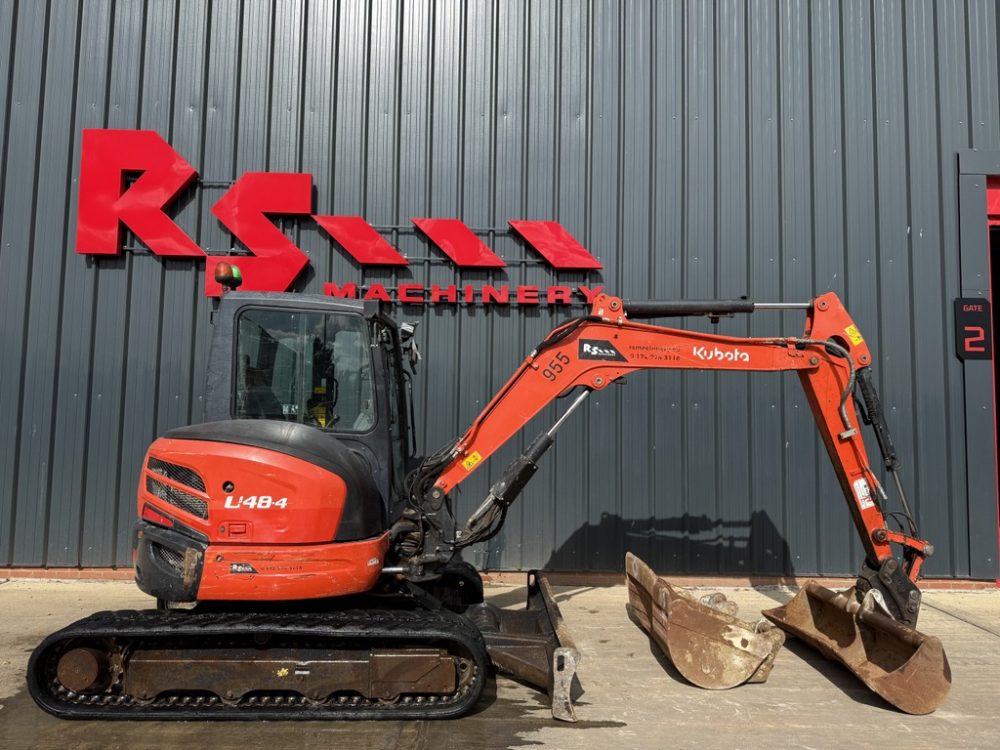
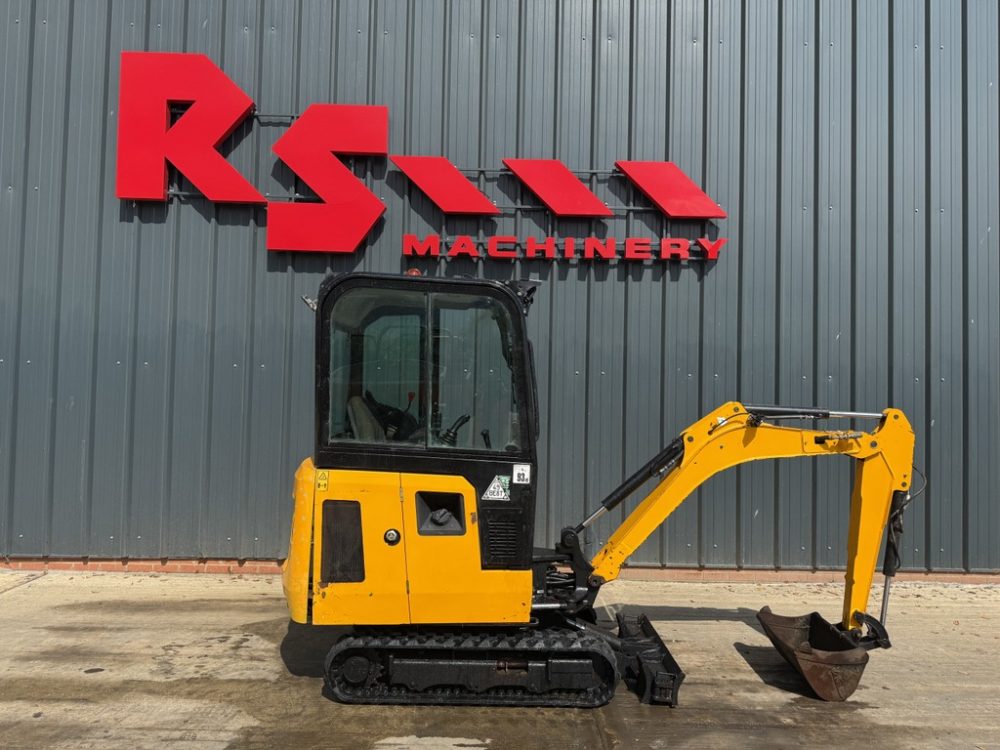
Buying a second-hand excavator can be a sensible way to get capacity onto a UK job without waiting on new lead times, but it’s also where small oversights turn into big downtime. The machine might look tidy on a yard, yet behave very differently once it’s tracking across mixed ground, lifting into a wagon, or running a breaker for hours. Whether you’re a plant manager sourcing fleet, a supervisor trying to keep production moving, or a buyer comparing options against hire, the practical question is the same: will it work on your site, safely and reliably, with the paperwork and support you need?
TL;DR
– Match the excavator to the actual work (reach, lift, undercarriage, attachments), not just the tonnage on the listing.
– Treat service history, inspections and attachment compatibility as evidence, not “nice-to-haves”.
– Plan the handover like a mini-mobilisation: access, ground, exclusion zones, fuelling, and who signs what.
– If the seller can’t show how hours, servicing and ownership stack up, price isn’t the main risk.
The used excavator decision on UK sites: buy, hire, or bridge both
Used excavators sit in the middle ground between long-term hire and new purchase. For steady utilisation (groundworks packages, drainage gangs, remediation support), ownership can make sense if you can absorb the maintenance and the odd surprise. For uncertain scope, short programmes, or when you need a specialist spec fast (long reach, reduced tail swing, steel tracks), hire can keep risk with the provider—so long as availability and delivery timings work.
A common “bridge” approach on UK projects is to hire for the enabling phase, then buy once the scope stabilises. That way, the team learns what size and attachments actually perform on that ground and with that muck-away rhythm. It also exposes interface issues early: who banks lifts, where the refuelling point sits, what the haul roads do after rain, and whether you’re constantly waiting for a different attachment.
How it plays out on site: a short scenario from a live programme
A small civils contractor takes on a school refurbishment with new drainage runs and a tight external footprint. They buy a used 5–6 tonne excavator to avoid weekly hire costs, expecting it to handle trenching, loading a front load dumper, and occasional lifting of chamber sections. Delivery arrives mid-morning, and the offload area is hemmed in by scaffold, parked wagons, and a pedestrian route to the site cabins. The supervisor wants it digging within the hour, so the handover becomes a quick key swap and a glance at the bucket. By lunchtime the quick hitch won’t latch cleanly on the grading bucket, and the operator reports the tracks are “snatching” when turning on the crushed stone access. After the first rain shower, the machine struggles for traction at the ramp and starts polishing the haul route, forcing a stop while stone is brought in. A day later, the site realises the lifting eye on the bucket isn’t certified for the planned lift, and the team has to re-plan the chambers with a different method.
That’s not an exotic failure chain—just a stack of small assumptions made under programme pressure.
What “good” looks like when buying second-hand excavators
Good outcomes start with specifying the job, not the machine. On UK sites, a used excavator needs to be judged by how it fits your ground, your access, your attachments, and your operator competence—not just by hours and paint.
A practical “good” purchase usually includes:
– Evidence of servicing and repairs that matches the hour meter story (gaps happen, but they need explaining).
– A proper handover with time to run functions, warm up hydraulics, and cycle attachments.
– Clarity on what attachments are included, and whether pins, hoses, and couplers are actually compatible.
– A plan for consumables and wearing parts (teeth, pins/bushes, tracks, filters) so the first fortnight isn’t reactive.
– Site readiness: stable offload area, fuelling arrangements, and an agreed traffic/exclusion layout.
The evidence that matters: condition and paperwork in plain terms
When people say “it’s a good runner”, translate that into evidence you can see or verify. For excavators, condition isn’t only about leaks; it’s also about slop, alignment, and how the machine behaves when you load it.
Walkround and function clues worth paying attention to on a used excavator:
– Pins and bushes: excessive play at the dipper/bucket end will show up as poor grading and faster wear; it also hints at maintenance habits.
– Undercarriage: track tension, uneven wear, idlers/rollers condition, and how it tracks under load. Undercarriage costs can bite quickly.
– Hydraulics: slow functions, drifting, or “hunting” can appear only once the oil is warm; cycle it properly, not just a quick boom raise.
– Slew and travel: listen for unusual noises and feel for jerky rotation or uneven tracking, especially on turns.
– Cab and controls: worn pedals/levers aren’t just cosmetic; they often correlate with hard life and operator fatigue.
On the documentation side, aim for consistency rather than perfection. Service records, inspection reports, serial numbers, ownership trail, and any lifting accessory documentation should all tell the same story. UK sites are also paperwork-driven for a reason: if you can’t evidence inspections and maintenance, you’ll end up arguing at the gate, during audits, or after an incident.
A pre-purchase reality checklist (keep it tight)
– Confirm the exact spec: operating weight, tail swing, track type/width, auxiliary lines, quick hitch type, and included buckets/attachments.
– Run it to temperature and use all functions; include travel, slew, and auxiliary hydraulics under load if possible.
– Look hard at undercarriage wear, leaks around rams/valves, and play in pins/bushes—these are expensive “later” items.
– Cross-check hour meter against service intervals, filter dates, and general wear in the cab and controls.
– Verify serial numbers on the machine and any key components where practical, and make sure documents match.
– Agree what comes with it: spare keys, manuals, immobiliser info, attachment pins/hoses, and any extra buckets.
Nejčastější chyby
1) Treating a quick hitch as “universal”. Different hitch types, pin sizes, and safety features can create a dangerous mismatch when you swap buckets in a hurry.
2) Judging performance on cold hydraulics. A machine can feel sharp for ten minutes, then show drift, sluggishness or overheating once it’s warm.
3) Underestimating undercarriage spend. Tracks and running gear often decide whether a used excavator is a bargain or a budget sink.
4) Rushing the first day’s handover. Skipping basic site set-up (offload space, exclusion zones, refuelling plan) usually costs more time than it saves.
Attachments, lifting and interfaces: where second-hand deals unravel
Used excavators often change hands with a mix of buckets and extras. That’s helpful only if the attachments actually suit your work and your site controls. A grading bucket that’s too wide for the machine’s stability, a breaker plumbed to the wrong flow/pressure, or a selector grab without the right auxiliary set-up can create slow production at best and unsafe improvisation at worst.
Lifting is another common pinch point. Many UK jobs use excavators for placing chambers, pipe packs, or small precast elements. Even when the lift is straightforward, the lift plan, the right accessories, and the competence of the team matter. Treat lifting points, chains, and any lifting accessories as their own piece of plant control, not an afterthought once the wagon turns up.
Trade interfaces amplify the risk. If your machine is sharing space with scaffolders, M&E deliveries, or a brickwork gang, you need clear lines on who banks movements, where pedestrians go, and how you keep the workface from becoming a pinch point. A used excavator that’s slightly less predictable (jerky slew, sticky controls, poor visibility due to cab wear) increases the need for disciplined segregation and communication.
What to tighten before the next machine turns up
Site teams can reduce the downside of second-hand kit by treating delivery and first shift like a controlled start, not a casual arrival.
Put focus on:
– Offload and access: firm ground, turning space, and a plan if the wagon can’t get to the ideal spot.
– Exclusion zones and banksman role: agree who controls movements, especially if you’re near public interfaces or live operations.
– Fuel and fluids: avoid “borrowed” jerry cans and last-minute runs that pull supervisors off the job.
– Operator familiarity: even experienced operators need a short settling-in period on a different control feel and visibility.
– Attachment change method: designated area, correct pins/retainers, and a pause to confirm the hitch is properly engaged.
The aim isn’t to slow the job down; it’s to prevent the classic half-day loss when something small fails, someone improvises, and the site ends up resetting controls under pressure.
As used excavator availability ebbs and flows, the bigger risk tends to be competence drift and rushed handovers rather than the machine itself. Watch for paperwork getting thinner, attachment swaps getting quicker, and exclusion zones shrinking as programme pressure rises.
ČASTO KLADENÉ DOTAZY
Who should be considered “competent” to operate a used excavator on a UK site?
Most sites look for recognised training, relevant experience on the class of machine, and a supervisor’s confidence in how the operator works around others. A used machine may behave differently (controls, visibility, response), so a short familiarisation on arrival is good practice. If the work includes lifting operations or complex attachments, competence needs to match that specific task, not just general digging.
What access details matter most when arranging delivery of a purchased excavator?
Turning room, ground bearing on the approach, overhead restrictions, and whether the wagon can offload without blocking site traffic tend to decide whether delivery is smooth or chaotic. Provide a clear arrival window and a named person to marshal the vehicle. If the offload area is shared with other trades or near pedestrians, build in time to set barriers and control movements.
How do you avoid attachment mismatch when buying second-hand?
Get the hitch type, pin sizes, auxiliary line set-up, and any required flow/pressure details confirmed before money changes hands. On site, keep attachment changes controlled and don’t assume “it’ll fit” because it came with another excavator. If something doesn’t latch cleanly or hoses don’t route properly, park the idea and resolve it rather than forcing a fit.
What documents are practical to ask for without turning it into a paperwork war?
Service history, any inspection records the seller has, serial numbers, manuals, and details of included attachments are a sensible starting point. For sites with tighter controls, evidence that supports maintenance and safe use is often as important as the machine itself. If documents are missing, capture what’s agreed at handover and plan additional inspection/servicing before the machine becomes critical path.
When should a supervisor escalate concerns about a used excavator on day one?
Escalate if functions are drifting, controls feel unpredictable, the hitch/attachment security is in doubt, or there are signs of overheating or significant hydraulic leaks once warm. Also escalate if the offload and early movements can’t be segregated properly due to site congestion. A short pause early is usually cheaper than recovering from a near miss or a breakdown mid-shift.